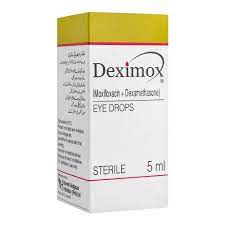
Dexampex is a medication commonly prescribed to treat various medical conditions. This article aims to provide a comprehensive overview of Dexampex, including its uses, benefits, side effects, and warnings.
Uses
Dexampex is primarily used to treat attention deficit hyperactivity disorder (ADHD) in both children and adults. It belongs to a class of medications called stimulants, which work by increasing certain chemicals in the brain that help with focus and impulse control. Dexampex can improve attention span, reduce hyperactivity, and improve overall behavior in individuals with ADHD.
Additionally, Dexampex may also be prescribed to treat narcolepsy, a sleep disorder characterized by excessive daytime sleepiness and sudden episodes of falling asleep. It helps individuals with narcolepsy stay awake during the day and manage their sleep patterns more effectively.
Benefits
The benefits of Dexampex are significant, particularly for those with ADHD or narcolepsy. By addressing the symptoms associated with these conditions, Dexampex can greatly enhance the quality of life for individuals affected by them. Some of the benefits of Dexampex include:
1. Improved focus and concentration: Dexampex helps individuals with ADHD concentrate better and stay on task, allowing them to perform daily activities more effectively.
2. Reduced impulsivity: Dexampex can help individuals with ADHD control impulsive behaviors, leading to better decision-making and improved interpersonal relationships.
3. Increased wakefulness: For individuals with narcolepsy, Dexampex promotes wakefulness, enabling them to stay alert and engaged throughout the day.
4. Enhanced productivity: By improving attention span and reducing hyperactivity, Dexampex can enhance productivity at work or school, leading to improved academic and professional performance.
Side Effects
While Dexampex can provide significant benefits, it may also cause certain side effects. It is essential to be aware of these potential side effects and consult with a healthcare professional if they occur. Common side effects of Dexampex may include:
1. Loss of appetite: Dexampex can suppress appetite, leading to weight loss. It is important to monitor weight and ensure proper nutrition while taking this medication.
2. Sleep disturbances: Some individuals may experience difficulty falling asleep or disturbed sleep patterns while on Dexampex. Taking the medication earlier in the day may help reduce this side effect.
3. Increased heart rate: Dexampex is a stimulant and may cause an increase in heart rate. Individuals with pre-existing heart conditions should exercise caution and consult their healthcare provider before starting this medication.
4. Dry mouth: Dexampex can cause dry mouth, which can be managed by staying hydrated and using sugar-free gum or candies to stimulate saliva production.
5. Mood changes: In some cases, Dexampex may cause mood swings, irritability, or anxiety. It is important to discuss any significant changes in mood with a healthcare professional.
Warnings
Before starting Dexampex, it is crucial to consider certain warnings associated with the medication. These include:
1. Cardiac conditions: Dexampex may increase blood pressure and heart rate. Individuals with a history of heart problems, high blood pressure, or other cardiac conditions should exercise caution and discuss their medical history with a healthcare professional before taking this medication.
2. Mental health conditions: Individuals with a history of mental health disorders, such as anxiety, depression, or psychosis, should inform their healthcare provider before starting Dexampex. This medication can potentially worsen these conditions.
3. Substance abuse: Dexampex is a controlled substance and has the potential for abuse. Individuals with a history of substance abuse should be cautious when taking this medication and follow their healthcare provider’s instructions carefully.
4. Growth suppression: Prolonged use of Dexampex in children may affect growth rates. It is important to regularly monitor height and weight in pediatric patients taking this medication.
5. Pregnancy and breastfeeding: The safety of Dexampex during pregnancy and breastfeeding is not well established. It is crucial to discuss the potential risks and benefits with a healthcare provider before using this medication.
Conclusion
In conclusion, Dexampex is a medication commonly used to treat ADHD and narcolepsy. While it provides significant benefits, it is important to be aware of potential side effects and warnings associated with this medication. Always consult with a healthcare professional to ensure safe and effective use of Dexampex.
FAQs
Dexampex may interact with certain medications, such as monoamine oxidase inhibitors (MAOIs) and certain antidepressants. It is important to inform your healthcare provider about all the medications you are currently taking to avoid potential interactions.
The effects of Dexampex can usually be felt within 1 to 2 hours after taking the medication. However, the full benefits may take several weeks to manifest. It is important to be patient and follow the prescribed dosage.
Dexampex is a stimulant and has the potential for abuse. While it is not typically addictive when taken as prescribed, individuals with a history of substance abuse should use this medication with caution and follow their healthcare provider’s instructions carefully.
Dexampex is usually taken in the morning to avoid interfering with sleep. Taking it later in the day may result in difficulty falling asleep or disturbed sleep patterns. However, individual circumstances may vary, so it is best to consult with a healthcare provider for personalized advice.
If you miss a dose of Dexampex, take it as soon as you remember. However, if it is close to the next scheduled dose, skip the missed dose and resume the regular dosing schedule. Do not take a double dose to make up for a missed one.






 in both children and adults.)