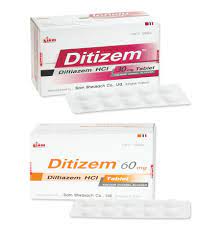
Diltiazem is a medication commonly prescribed by healthcare professionals to treat various heart-related conditions. It belongs to a class of drugs known as calcium channel blockers, which work by relaxing and widening the blood vessels, improving blood flow, and reducing the workload on the heart. This article explores the uses, benefits, side effects, and warnings associated with diltiazem.
Uses:
Diltiazem is primarily prescribed for the treatment of high blood pressure (hypertension). It helps to lower blood pressure, reducing the risk of heart attacks, strokes, and kidney problems. It is also used to manage certain types of chest pain, such as stable angina, by improving blood flow to the heart muscle.
Furthermore, diltiazem can be used to control certain irregular heart rhythms, such as atrial fibrillation or atrial flutter. By slowing electrical conduction in the heart, it helps normalize heart rhythm and prevents abnormal rapid heart rates.
Benefits:
The benefits of diltiazem extend beyond its primary uses. This versatile medication can help individuals with Raynaud’s phenomenon, a condition characterized by restricted blood flow to the fingers and toes, resulting in coldness and numbness. Diltiazem relaxes blood vessels, improving circulation and minimizing symptoms in such cases.
Moreover, diltiazem may also be utilized in the prevention of migraines, as some studies suggest its effectiveness in reducing their frequency and severity. The exact mechanism by which diltiazem achieves this result is not entirely understood, but it is believed to involve the modulation of blood flow and the reduction of inflammation.
Side Effects:
While diltiazem is generally well tolerated, like any medication, it can cause side effects. Common side effects include dizziness, headache, tiredness, and flushing. These symptoms are usually mild and transient, subsiding as the body adjusts to the medication.
In rare cases, more serious side effects may occur, and medical attention should be sought immediately. These can include severe dizziness, fainting, irregular heartbeat, shortness of breath, swelling of the ankles or feet, and signs of liver problems (e.g., persistent nausea, vomiting, yellowing of the eyes or skin).
Warnings:
Prior to initiating diltiazem therapy, it is vital to inform your healthcare provider about any existing medical conditions, ongoing treatments, or allergies to ensure its safe usage.
Diltiazem should be used with caution in individuals with certain conditions, including heart failure, liver or kidney disease, or low blood pressure. Additionally, it is essential to avoid grapefruit juice or grapefruit-containing products while taking diltiazem, as they can increase its levels in the bloodstream, leading to potentially harmful effects.
Women who are pregnant or planning to become pregnant should consult their healthcare professional before using diltiazem, as its safety during pregnancy has not been fully determined.
Frequently Asked Questions:
Diltiazem can interact with several drugs, including certain antibiotics, antifungal medications, HIV protease inhibitors, and other blood pressure-lowering medications. Always inform your doctor or pharmacist about all medications you are taking to prevent potential interactions.
The onset of action varies depending on the formulation and condition being treated. Immediate-release formulations generally start working within 1-2 hours, while extended-release formulations may take up to 6-8 hours. However, it is important to follow your healthcare professional’s instructions and complete the full course of treatment to achieve maximum benefits.
No, diltiazem should not be discontinued abruptly without consulting a healthcare professional. Suddenly stopping the medication may lead to a rapid increase in blood pressure or other serious heart-related complications. Your doctor will guide you on how to gradually reduce the dosage if discontinuation is necessary.
Weight gain is not a common side effect of diltiazem. However, everyone’s body may react differently to medications, and some individuals may experience weight changes while taking diltiazem. Speak to your healthcare provider if you notice any significant changes in your weight.
It is important to follow your healthcare professional’s instructions regarding the administration of diltiazem. Some formulations are designed to be extended-release, meaning they release the medication slowly over time to maintain a consistent blood level. Crushing or splitting these formulations can alter their effect, and in some cases, may be potentially dangerous.
In conclusion, diltiazem is a widely used medication known for its effectiveness in managing high blood pressure and certain heart conditions. However, it is crucial to understand its uses, potential benefits, as well as the side effects and warnings associated with its usage. Always consult a healthcare professional before starting or modifying any medication regimen to ensure safe and optimal treatment outcomes.