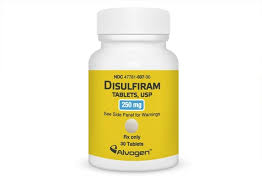
Uses
Disulfiram is a medication primarily used to treat alcohol dependency and chronic alcoholism. It works by interfering with the breakdown of alcohol, resulting in unpleasant symptoms when alcohol is consumed. This discourages alcoholics from drinking, as they experience negative effects such as severe nausea, vomiting, and headache. Disulfiram is an adjunct in the overall treatment plan for alcoholism and is most effective when combined with counseling and support programs.
Benefits
One of the main benefits of Disulfiram is that it serves as a deterrent for individuals struggling with alcohol addiction. By creating an aversion to alcohol, it helps patients maintain sobriety and lead healthier lives. Disulfiram also acts as a powerful motivation tool, as the fear of experiencing unfavorable symptoms encourages individuals to stay away from alcoholic beverages. Additionally, this medication can complement other therapies used within a rehabilitation program, aiding in the recovery process.
Side Effects
While Disulfiram can be an effective treatment, it may produce some side effects that individuals should be aware of. It is crucial to understand that even small amounts of alcohol, including alcohol-based products such as colognes or mouthwashes, can trigger a severe reaction when combined with Disulfiram. Potential side effects can include nausea, vomiting, blurred vision, headaches, dizziness, and a metallic or garlic-like taste in the mouth. Rare, but serious, side effects may involve liver damage, allergic reactions, psychosis, or neuropathy. Individuals using Disulfiram should consult their healthcare provider if they experience persistent or severe side effects.
Warnings
Before starting Disulfiram treatment, it is essential to inform your healthcare provider about any existing medical conditions or medications you are currently taking. Disulfiram can have interactions with certain medications, including anticoagulants, isoniazid, and certain antidepressants, leading to adverse effects. It is also crucial to avoid products that contain alcohol, as they can trigger strong reactions. People with a history of liver disease, epilepsy, diabetes, or severe heart problems may require careful monitoring while taking Disulfiram. Pregnant women should avoid using Disulfiram, as studies suggest potential harm to the unborn baby.
FAQs
No, Disulfiram is not a cure for alcoholism. It is a medication that supports alcoholics in maintaining sobriety by creating aversion towards alcohol. Combining Disulfiram with counseling and support programs offers the best chance for recovery.
The duration of Disulfiram treatment varies depending on individual circumstances. Your healthcare provider will assess your progress and determine the appropriate length of treatment. Some individuals may need to take it for several months or longer.
It is crucial to avoid consuming any food or drink containing alcohol, as even small amounts can trigger adverse reactions. This includes alcoholic beverages, mouthwashes, cough syrups, and even some types of sauces or desserts prepared with alcohol.
Yes, Disulfiram can interact with certain medications, including anticoagulants, isoniazid, and some antidepressants. It is important to inform your healthcare provider about all the medications you are taking to avoid any potential risks.
Disulfiram is not suitable for everyone and should be used in consultation with a healthcare provider. Factors such as individual health conditions, previous medication use, and personal circumstances influence its suitability. Your healthcare provider will evaluate your situation and recommend the best treatment plan for you.
In conclusion, Disulfiram is a medication used to treat alcohol dependency and chronic alcoholism. It acts as a deterrent by creating an aversion to alcohol and providing motivation to stay sober. However, it can produce side effects, and individuals should follow warnings carefully. Disulfiram is not a cure for alcoholism and should be used as part of a comprehensive treatment plan. It is crucial to consult with a healthcare provider to ensure its suitability and safety for each individual.