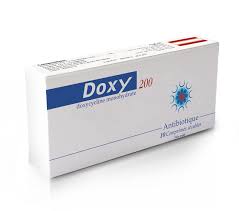
Doxy, also known as Doxycycline, is a versatile medication that is commonly prescribed to treat various bacterial infections. It belongs to the class of antibiotics called tetracyclines, which work by stopping the growth of bacteria. This article explores the uses, benefits, side effects, and warnings associated with Doxy.
Uses
Doxy is widely used to treat a range of infections caused by bacteria, including:
- Respiratory tract infections
- Skin infections
- Urinary tract infections
- Sexually transmitted infections (such as chlamydia, gonorrhea)
- Lyme disease
- Acne
- Malaria prevention
Additionally, Doxy is sometimes prescribed to prevent certain types of malaria in individuals traveling to areas where the infection is prevalent.
Benefits
Doxy offers several benefits when used as prescribed by a healthcare professional. Some of these benefits include:
- Effective treatment of various bacterial infections
- Relief from symptoms such as pain, inflammation, and fever associated with infections
- Improvement in skin conditions, especially acne
- Prevention of malaria in high-risk areas
It is important to note that Doxy should only be used for bacterial infections and not for viral infections, such as the common cold or flu.
Side Effects
While Doxy is generally well-tolerated, like any medication, it may cause side effects in some individuals. Common side effects include:
- Nausea and vomiting
- Diarrhea
- Upset stomach
- Skin sensitivity to sunlight
- Yeast infections in females
These side effects are usually mild and temporary. However, if they persist or worsen, it is important to consult a healthcare professional. In rare cases, more severe side effects, such as allergic reactions, severe skin reactions, or liver problems, may occur. If any of these serious side effects are experienced, immediate medical attention should be sought.
Warnings
Before taking Doxy, it is crucial to inform your healthcare provider about any existing medical conditions or allergies you may have. Certain precautions and warnings associated with Doxy include:
- Pregnancy and breastfeeding: Doxy may harm the developing fetus or pass into breast milk, so it is generally avoided during pregnancy and breastfeeding.
- Children and adolescents: Doxy should not be given to children under the age of 8, as it may cause permanent discoloration of teeth and affect bone development.
- Drug interactions: Doxy may interact with other medications, supplements, or herbal products. Inform your healthcare provider about all the medications you are currently taking to avoid potential interactions.
- Photosensitivity: Doxy can make your skin more sensitive to sunlight. Avoid prolonged sun exposure, use protective clothing, and apply sunscreen when taking this medication.
Always follow the prescribed dosage and complete the full course of treatment to ensure the effectiveness of Doxy and minimize the risk of antibiotic resistance.
conclusion
In conclusion, Doxy is a versatile antibiotic used to treat various bacterial infections. It provides numerous benefits but may also cause mild side effects. It is essential to follow the recommended dosage and precautions to ensure safe and effective use. Always consult your healthcare provider for personalized advice and guidance.
FAQs
No, Doxy is only effective against bacterial infections and should not be used for viral infections.
The onset of action may vary depending on the condition being treated. It is best to consult your healthcare provider for specific information.
Yes, Doxy can be taken with or without food. However, taking it with food may help reduce the risk of stomach upset.
There are no specific dietary restrictions associated with Doxy. However, it is recommended to avoid consuming dairy products, calcium supplements, antacids, or iron supplements within 2 hours of taking the medication, as they may interfere with its absorption.
Yes, Doxy may decrease the effectiveness of birth control pills. It is advisable to use additional contraceptive methods while taking this medication.






