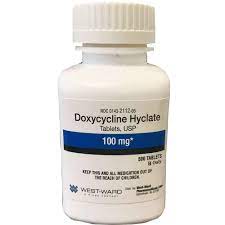
Doxycycline hyclate is a commonly prescribed medication that belongs to a class of antibiotics called tetracyclines. It is used to treat a wide range of bacterial infections, including respiratory tract infections, urinary tract infections, acne, chlamydia, gonorrhea, and certain skin infections.
Uses
Doxycycline hyclate is primarily used to treat infections caused by bacteria. It works by inhibiting the growth of bacteria and preventing them from spreading further in the body. This medication is an effective treatment option for various conditions, including:
1. Respiratory tract infections: Doxycycline hyclate is often prescribed to treat infections such as pneumonia, bronchitis, and sinusitis.
2. Urinary tract infections: It can be used to treat infections of the bladder and urethra.
3. Acne: Doxycycline hyclate is commonly prescribed for acne vulgaris when topical treatments do not prove sufficient. It helps reduce inflammation and control the growth of acne-causing bacteria.
4. Chlamydia and gonorrhea: It is effective in treating sexually transmitted infections like chlamydia and gonorrhea.
5. Skin infections: Doxycycline hyclate is sometimes prescribed to treat skin infections caused by bacteria, such as cellulitis or impetigo.
Benefits
Doxycycline hyclate offers several benefits as a treatment option for bacterial infections. These include:
1. Broad-spectrum antibiotic: It is effective against a wide range of bacteria, making it a versatile option for various types of infections.
2. Fast-acting: Doxycycline hyclate starts working quickly to alleviate symptoms and combat the underlying infection.
3. Oral administration: It is available in the form of tablets or capsules, allowing for convenient at-home treatment.
Side Effects
Like any medication, doxycycline hyclate can cause side effects. Common side effects may include:
1. Nausea and vomiting: Some individuals may experience an upset stomach or vomiting after taking doxycycline hyclate. Taking the medication with food can help minimize these side effects.
2. Diarrhea: It is possible to develop diarrhea while taking this medication. Drinking plenty of fluids and maintaining good hydration can help alleviate this symptom.
3. Skin sensitivity: Doxycycline hyclate can make your skin more sensitive to sunlight, leading to sunburns. It is important to avoid excessive sun exposure and wear sunscreen while on this medication.
4. Yeast infections: In some cases, doxycycline hyclate can disrupt the natural balance of bacteria and yeast in the body, leading to the development of yeast infections. If you experience symptoms such as itching, burning, or unusual discharge, consult your healthcare provider.
5. Tooth discoloration: Doxycycline hyclate can affect the color of developing teeth in children below the age of eight. It is essential to avoid this medication during pregnancy and in young children, as it may impact tooth development.
Warnings
While doxycycline hyclate is generally safe and well-tolerated, there are certain precautions and warnings you should be aware of:
1. Allergies: Inform your healthcare provider if you have a known allergy to doxycycline hyclate or other tetracycline antibiotics. It is important to avoid this medication if you have a history of severe allergic reactions to similar drugs.
2. Pregnancy and breastfeeding: Doxycycline hyclate should be avoided during pregnancy, especially during the second half of the pregnancy, as it can harm the developing fetus. It can also pass into breast milk and affect a nursing infant.
3. Children: This medication is generally not recommended for children under the age of eight, as it can lead to tooth discoloration and affect bone growth.
4. Drug interactions: Inform your healthcare provider about all the medications you are currently taking, including over-the-counter drugs, supplements, and herbal remedies. Some medications, such as antacids, iron supplements, and cholesterol-lowering drugs, can interfere with the absorption of doxycycline hyclate.
5. Pre-existing medical conditions: If you have any pre-existing medical conditions, such as liver or kidney disease, it is important to discuss the risks and benefits of taking doxycycline hyclate with your healthcare provider.
FAQs
No, doxycycline hyclate requires a prescription from a healthcare provider.
Yes, taking doxycycline hyclate with food can help reduce the risk of stomach upset.
It is generally advisable to avoid alcohol while taking any antibiotic, including doxycycline hyclate, as it can reduce the effectiveness of the medication.
The time it takes for doxycycline hyclate to work depends on the specific infection being treated. It is important to complete the full course of treatment as prescribed by your healthcare provider, even if symptoms improve before the medication is finished.
While there are natural remedies that may help alleviate symptoms, it is important to consult with a healthcare provider for proper diagnosis and treatment of bacterial infections. Natural remedies alone may not effectively treat bacterial infections.






