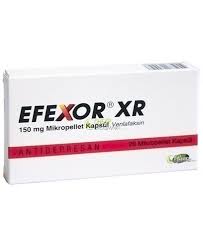
Effexor, also known as Venlafaxine, is a medication commonly used to treat mental health conditions such as anxiety and depression. It belongs to the class of drugs known as serotonin-norepinephrine reuptake inhibitors (SNRIs) and works by increasing the levels of certain chemicals in the brain that help regulate mood.
Uses
Effexor is primarily prescribed for the treatment of:
– Depression: Effexor is used to manage the symptoms of major depressive disorder (MDD) in adults and adolescents aged 12 years and older.
– Generalized anxiety disorder (GAD): It is also used to treat GAD, a long-term condition characterised by excessive worry or anxiety about everyday situations.
– Panic disorder: Effexor is also used to manage panic disorder, a type of anxiety disorder characterised by sudden and repeated attacks of extreme fear.
– Social anxiety disorder (SAD): It may also be used to treat SAD, a chronic mental health condition characterised by fear and avoidance of social interactions.
Benefits
The use of Effexor has been linked to several benefits, including:
– Improves mood: Effexor works by increasing the levels of certain chemicals in the brain, such as serotonin and norepinephrine, which play a key role in regulating mood. This helps to improve symptoms of depression and anxiety.
– Reduces symptoms of anxiety: Effexor can alleviate the symptoms of anxiety, such as excessive worrying or fear.
– Helps manage panic disorder: Effexor has been shown to reduce the frequency and severity of panic attacks in individuals with panic disorder.
– Reduces symptoms of social anxiety disorder: Effexor can help reduce the fear and avoidance associated with social situations in individuals with social anxiety disorder.
Side Effects
As with any medication, Effexor may cause side effects. Common side effects include:
– Nausea
– Headache
– Dizziness
– Dry mouth
– Constipation
– Insomnia
– Blurred vision
– Increased sweating
– Sexual dysfunction
Serious side effects are rare, but they can occur. These include:
– Suicidal thoughts or behaviour
– Seizures
– High blood pressure
– Abnormal bleeding
– Severe allergic reactions
If you experience any of these symptoms while taking Effexor, seek medical attention immediately.
Warnings
Before taking Effexor, it is important to be aware of the following warnings:
– Pregnancy: Effexor may harm a developing fetus. If you are pregnant or planning to become pregnant, talk to your doctor about the potential risks and benefits of taking Effexor.
– Breastfeeding: Effexor can pass into breast milk and may harm a nursing infant. If you are breastfeeding, talk to your doctor before taking Effexor.
– Medical conditions: Let your doctor know if you have any medical conditions before taking Effexor. This includes liver or kidney problems, high blood pressure, heart disease, epilepsy, or a history of seizures.
– Other medications: It is important to tell your doctor about all the medications you are taking before starting Effexor. This includes over-the-counter medications, vitamins, and herbal supplements. Some medications can interact with Effexor and cause serious side effects.
FAQs
Effexor can take several weeks before you start to notice any improvement in symptoms.
Weight gain is a common side effect of Effexor. However, it does not occur in all individuals taking the medication.
Effexor is not typically used to treat bipolar disorder.
Yes, Effexor can cause withdrawal symptoms if the medication is stopped abruptly. It is important to gradually taper off the medication under the guidance of a healthcare provider.
It is not recommended to drink alcohol while taking Effexor, as it can increase the risk of side effects such as drowsiness and dizziness.