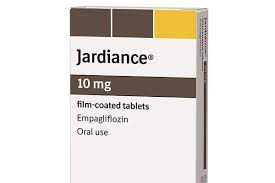
Empagliflozin is an oral medication that is used in the management of type 2 diabetes mellitus. It is part of a class of drugs known as sodium-glucose co-transporter 2 (SGLT2) inhibitors. Empagliflozin works by preventing the reabsorption of glucose in the kidneys, thereby increasing the excretion of glucose in the urine. This helps to lower blood sugar levels in individuals with diabetes.
Uses
Empagliflozin is primarily used as an adjunct to proper diet and exercise to control blood sugar levels in adults with type 2 diabetes mellitus. It is not recommended for use in individuals with type 1 diabetes or diabetic ketoacidosis. The drug can be prescribed as a monotherapy or in combination with other antidiabetic medications depending on the individual’s needs.
Benefits
Empagliflozin has been shown to effectively lower blood sugar levels in patients with type 2 diabetes. In addition, it offers several other benefits, including:
- Weight loss: Empagliflozin can lead to modest weight loss in individuals with diabetes. This is particularly beneficial for those who are overweight or obese, as it may help improve overall metabolic health.
- Blood pressure control: Empagliflozin has been found to have a blood pressure-lowering effect, which may be beneficial for individuals with high blood pressure.
- Cardiovascular benefits: Clinical trials have shown that empagliflozin can reduce the risk of cardiovascular events such as heart attacks, strokes, and cardiovascular death in patients with type 2 diabetes who have established cardiovascular disease.
- Kidney protection: Empagliflozin has demonstrated a renal protective effect in individuals with type 2 diabetes, reducing the risk of progression of chronic kidney disease.
Side Effects
Like any medication, empagliflozin can cause side effects. The most common side effects reported include:
- Genital yeast infections in both men and women
- Urinary tract infections
- Increased urination
- Thirst
- Low blood pressure
- Lightheadedness or dizziness
- Hypoglycemia (low blood sugar) when used in combination with insulin or sulfonylureas
It is important to note that not everyone will experience these side effects, and they may vary in severity. If you experience any persistent or concerning side effects, it is recommended to consult your healthcare provider.
Warnings
Before starting empagliflozin, it is important to discuss your medical history and any other medications you are taking with your healthcare provider, as some conditions and medications may interact with empagliflozin. Additionally, the following warnings should be considered:
- Ketoacidosis: SGLT2 inhibitors, including empagliflozin, have been associated with an increased risk of diabetic ketoacidosis. This is a serious condition that requires immediate medical attention. Symptoms include difficulty breathing, nausea, vomiting, abdominal pain, confusion, and unusual fatigue or sleepiness.
- Dehydration: Empagliflozin can increase the risk of dehydration, especially in elderly patients or those with kidney impairment. It is important to maintain adequate fluid intake while taking this medication.
- Amputation risk: Some studies have suggested an increased risk of lower limb amputations in patients taking empagliflozin. However, further research is needed to establish a definitive link.
- Genital infections: Yeast infections and urinary tract infections are more common in individuals taking empagliflozin. It is advised to practice good hygiene and seek medical attention if symptoms occur.
- Hypoglycemia: When empagliflozin is used in combination with insulin or sulfonylureas, there is an increased risk of hypoglycemia. Close monitoring of blood sugar levels is crucial in these situations.
FAQs
No, empagliflozin is not recommended for use in individuals with type 1 diabetes. It is specifically indicated for type 2 diabetes mellitus.
The onset of action for empagliflozin varies from person to person. It typically starts to lower blood sugar levels within a few days to a week of initiating treatment.
Empagliflozin is not recommended for use during pregnancy. It is important to discuss alternative treatment options with your healthcare provider if you are planning a pregnancy or become pregnant while taking empagliflozin.
There are no specific dietary restrictions associated with empagliflozin. However, it is always advisable to follow a balanced and healthy diet as recommended by your healthcare provider.
Yes, empagliflozin has been shown to promote modest weight loss in individuals with type 2 diabetes. The exact mechanism behind this effect is not fully understood, but it may be due to the increased excretion of glucose in the urine.