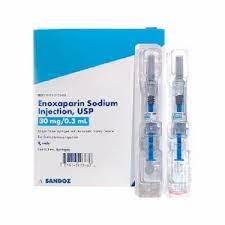
Enoxaparin is a medication used to prevent and treat blood clots. It belongs to a class of drugs known as low molecular weight heparins. Enoxaparin works by thinning the blood and preventing the formation of blood clots that can lead to serious conditions such as deep vein thrombosis, pulmonary embolism, or stroke.
Uses
Enoxaparin is used for various medical conditions, including:
- Treatment of deep vein thrombosis: Enoxaparin helps dissolve blood clots and prevent further clotting in the veins.
- Prevention of blood clot formation: Individuals who are at a high risk of developing blood clots due to surgery, hospitalization, or immobility may be prescribed enoxaparin for prevention.
- Treatment of unstable angina or heart attacks: Enoxaparin may be used in combination with other medications to prevent blood clot growth and reduce the risk of heart-related complications.
- Prevention of blood clotting during hemodialysis: Enoxaparin can be used to prevent clotting in the dialysis circuit during hemodialysis procedures.
Benefits
Enoxaparin offers several benefits for patients with conditions related to abnormal blood clotting. Some of the key benefits include:
- Reduction in the risk of blood clots: Enoxaparin lowers the risk of developing blood clots, which can be life-threatening if they travel to vital organs.
- Treatment of existing blood clots: Enoxaparin can help dissolve blood clots and prevent them from growing larger, reducing the risk of complications.
- Effective prevention during medical procedures: The medication can provide effective prophylaxis against blood clot formation during and after surgeries or immobilizing medical conditions.
- Shorter hospital stays: By preventing blood clot-related complications, enoxaparin can potentially reduce the length of hospital stays for patients.
Side Effects
Like any medication, enoxaparin may cause side effects. Common side effects include:
- Bruising or bleeding at the injection site
- Mild pain or irritation at the injection site
- Skin rash or itching
- Hair loss (rare)
- Nausea or diarrhea
More serious side effects may occur but are less common. Seek medical attention immediately if you experience:
- Unusual bruising or bleeding
- Black stools or blood in the stools
- Coughing up blood
- Sudden severe headache or weakness
- Dizziness or fainting
Warnings
It is important to be aware of certain precautions and warnings associated with enoxaparin use. These include:
- Allergy: Inform your healthcare provider if you have a known allergy to enoxaparin or other medications in the same class to avoid potential allergic reactions.
- Bleeding disorders: Enoxaparin can increase the risk of bleeding, so it is important to inform your doctor if you have a bleeding disorder or any condition that could increase bleeding tendencies.
- Renal impairment: Dose adjustments may be necessary for patients with kidney problems to prevent the accumulation of enoxaparin in the body.
- Pregnancy and breastfeeding: Consult your doctor before using enoxaparin if you are pregnant or breastfeeding, as the medication may pose potential risks to the fetus or nursing infant.
Frequently Asked Questions (FAQs)
Yes, enoxaparin can be self-administered if instructed by your healthcare provider. However, it is crucial to receive proper training and follow the instructions carefully to ensure correct administration.
There are no specific dietary restrictions associated with enoxaparin use. However, it is advisable to maintain a healthy diet and avoid excessive consumption of foods high in vitamin K, as it can affect the medication’s effectiveness.
Enoxaparin may be used during pregnancy if medically necessary. However, it is essential to discuss the potential risks and benefits with your doctor as the medication can cross the placenta and may affect the developing fetus.
If you miss a dose of enoxaparin, contact your healthcare provider for guidance. It is important not to double the dose to make up for the missed one.
Enoxaparin may interact with certain drugs, including anticoagulants, antiplatelet medications, and NSAIDs (nonsteroidal anti-inflammatory drugs). It is essential to inform your doctor about all the medications you are taking to avoid potential interactions.






