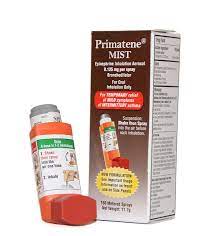
Epinephrine inhalation is a medication that is commonly used to treat severe allergic reactions, also known as anaphylaxis. It is a synthetic form of the hormone adrenaline, which is naturally produced by the body. Epinephrine works by relaxing the muscles in the airways and narrowing blood vessels, thereby improving breathing and increasing blood pressure.
Uses
Epinephrine inhalation is primarily used to provide immediate relief from severe allergic reactions. When an individual experiences an anaphylactic reaction, it can be life-threatening and requires prompt medical attention. Epinephrine inhalation is administered to counteract the symptoms of anaphylaxis, including difficulty breathing, swelling of the face and throat, hives, and low blood pressure.
Benefits
The use of epinephrine inhalation has several benefits, mainly due to its ability to rapidly reverse the symptoms of anaphylaxis. By opening up the airways and constricting blood vessels, this medication helps restore normal breathing and prevents the progression of an allergic reaction. Epinephrine inhalation can potentially save lives during emergencies by providing immediate relief until further medical help is available.
Side Effects
While epinephrine inhalation is generally safe and well-tolerated, it may cause certain side effects in some individuals. These side effects can include increased heart rate, headache, dizziness, nervousness, tremors, and sweating. In rare cases, epinephrine inhalation may also lead to more serious side effects such as irregular heartbeat, chest pain, or difficulty breathing. It is important to seek immediate medical attention if any severe side effects occur.
Warnings
Before using epinephrine inhalation, it is crucial to inform your healthcare provider about any pre-existing medical conditions, such as heart disease, high blood pressure, diabetes, or thyroid disorders. Certain medications, including beta-blockers, antidepressants, and other asthma drugs, may interact with epinephrine inhalation and potentially lead to adverse effects. It is essential to discuss your current medication regimen with your doctor to avoid any potential drug interactions.
Additionally, it is important to follow the prescribed dosage and administration instructions provided by your healthcare professional. Epinephrine inhalation is typically self-administered by injecting the medication into the thigh, and it should only be used in emergency situations. Regular training on how to use the inhaler device is recommended to ensure proper administration during critical moments.
FAQs
No, epinephrine inhalation is specifically intended for severe allergic reactions or anaphylaxis. Mild allergic reactions can often be managed with antihistamines, but if symptoms worsen or breathing difficulties arise, immediate medical attention should be sought.
No, epinephrine inhalation is generally considered safe for short-term use during emergencies. However, it is important to consult with your healthcare provider to discuss any concerns or potential risks associated with prolonged usage.
Epinephrine inhalation is not the first-line treatment for asthma attacks. It is primarily used to treat anaphylaxis. Individuals with asthma should follow their prescribed asthma action plan, which may include the use of other medications such as bronchodilators or corticosteroids.
Yes, epinephrine inhalation can be used on children during severe allergic reactions. However, the appropriate dosage and administration technique may differ based on the child’s age and weight. It is essential to consult with a healthcare professional for accurate guidance.
Epinephrine inhalation should be stored at room temperature, away from light, heat, and moisture. It is important to check the expiration date regularly and replace the medication when necessary. Proper storage and regular checks ensure the medication’s effectiveness during emergencies.






