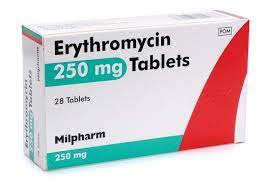
Erythromycin is a commonly prescribed antibiotic medication that belongs to the macrolide class. It is used to treat a variety of bacterial infections, including respiratory tract infections, skin infections, and sexually transmitted diseases. In this article, we will discuss the uses, benefits, side effects, and warnings associated with erythromycin.
Uses
Erythromycin is primarily used to treat infections caused by susceptible bacteria. Some of the common infections it can be used for include:
- Respiratory tract infections: Erythromycin can be effective in treating respiratory tract infections such as pneumonia, bronchitis, and whooping cough.
- Skin infections: It is also used to treat skin infections like acne, cellulitis, and impetigo.
- Sexual transmitted diseases: Erythromycin is often prescribed to treat sexually transmitted diseases such as syphilis, gonorrhea, and chlamydia.
- Digestive system infections: This antibiotic is sometimes used to treat gastrointestinal infections caused by certain bacteria.
- Other infections: Erythromycin may also be used to treat infections in other parts of the body, depending on the specific bacteria causing the infection. Your doctor will determine if it is appropriate for your condition.
Benefits
Erythromycin offers several benefits in treating bacterial infections:
- Effectiveness: Erythromycin has a proven track record of effectively treating a wide range of bacterial infections.
- Wide spectrum: It is effective against various gram-positive and gram-negative bacteria, making it a versatile treatment option.
- Alternative for penicillin allergies: Individuals who are allergic to penicillin can often take erythromycin as an alternative.
- Topical and oral forms available: Erythromycin comes in different formulations, allowing for flexibility in treating various types of infections.
Side Effects
While erythromycin is generally well-tolerated, some individuals may experience side effects. Common side effects include:
- Nausea and vomiting
- Diarrhea
- Abdominal pain
- Loss of appetite
- Temporary hearing loss
- Headache
If any of these side effects persist or worsen, it is advisable to inform your healthcare provider. In rare cases, erythromycin can cause severe side effects, such as:
- Allergic reactions: This may include rash, itching, swelling, severe dizziness, or difficulty breathing. Seek immediate medical attention if these symptoms occur.
- Liver problems: Erythromycin can rarely cause liver damage. Contact your doctor if you experience symptoms such as yellowing of the skin or eyes, dark urine, or persistent nausea.
- Irregular heart rhythm: In some cases, erythromycin can cause a rare heart condition called QT prolongation, which may lead to irregular heart rhythms. It is important to notify your doctor immediately if you experience fainting, dizziness, or irregular heartbeat.
Warnings
Before taking erythromycin, it is crucial to be aware of the following warnings:
- Allergy: Inform your doctor about any known allergies to erythromycin, other antibiotics, or any other medications or substances.
- Medical history: Provide your doctor with a detailed medical history, especially if you have a history of liver disease, heart problems, or myasthenia gravis.
- Medication interactions: Certain medications can interact with erythromycin, potentially causing adverse effects or reducing its effectiveness. Notify your healthcare provider of all medications you are taking, including over-the-counter drugs, supplements, and herbal remedies.
- Pregnancy and breastfeeding: It is important to discuss the risks and benefits of taking erythromycin during pregnancy or while breastfeeding. Your doctor will weigh the potential benefits against any possible risks to you or your baby.
FAQs
No, erythromycin is ineffective against viral infections such as the common cold or flu. It is specifically designed to combat bacterial infections.
Yes, erythromycin can interact with certain medications, including anticoagulants, anti-seizure drugs, and certain cholesterol-lowering medications. Always inform your healthcare provider about all medications you are taking to minimize the risk of interactions.
The onset of erythromycin’s effects can vary depending on the type and severity of the infection. In some cases, improvement can be seen within a few days, but it is important to complete the full course of treatment prescribed by your doctor.
Yes, erythromycin is a commonly prescribed antibiotic for treating acne. It helps reduce inflammation and kills bacteria that contribute to acne development.
It is generally recommended to avoid consuming alcohol while taking erythromycin, as it may increase the risk of side effects. Additionally, alcohol can impair the body’s ability to fight infections and reduce the effectiveness of the medication.






