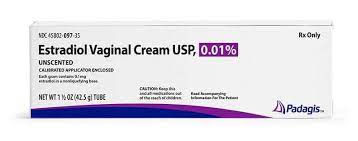
Estradiol Vaginal is a medication that contains the hormone estradiol, which is a form of estrogen. It is available as a vaginal cream, tablet, or ring and is primarily used for the treatment of menopausal symptoms and vaginal atrophy. This article aims to provide a comprehensive overview of the uses, benefits, side effects, and warnings associated with Estradiol Vaginal.
Uses
Estradiol Vaginal is commonly prescribed to relieve symptoms experienced during menopause, such as hot flashes, vaginal dryness, itching, and burning. It helps to restore the natural balance of estrogen hormone in the body, thereby alleviating discomfort and improving quality of life for menopausal women. Additionally, it is used to treat vaginal atrophy, a condition characterized by thinning, drying, and inflammation of the vaginal walls.
Benefits
The use of Estradiol Vaginal offers several benefits to women experiencing menopausal symptoms. By replenishing estrogen levels, it can effectively reduce hot flashes, night sweats, and mood swings. Moreover, it improves vaginal moisture and elasticity, relieving vaginal dryness and discomfort during intercourse. Enhanced vaginal health can also prevent urinary tract infections and urinary incontinence, promoting overall well-being.
Side Effects
While Estradiol Vaginal is generally well-tolerated, it may cause certain side effects in some individuals. Common side effects include headaches, breast tenderness, vaginal spotting or bleeding, nausea, and bloating. These symptoms usually subside as the body adjusts to the medication. However, if any of these side effects persist or worsen, it is advisable to consult a healthcare professional. It is important to note that this medication may also increase the risk of certain serious conditions such as blood clots, stroke, heart attack, and breast cancer. Therefore, it is crucial to discuss the potential risks with a healthcare provider before starting Estradiol Vaginal.
Warnings
Before using Estradiol Vaginal, it is essential to consider the following warnings:
- Medical History: Inform your healthcare provider about any medical conditions you have or have had in the past, including a history of blood clots, heart disease, stroke, liver disease, or breast cancer. This information will help determine if Estradiol Vaginal is safe for you.
- Medication Interactions: Certain medications, such as aromatase inhibitors, tamoxifen, and some antibiotics, may interact with Estradiol Vaginal, reducing its effectiveness or increasing the risk of side effects. Inform your healthcare provider about all the medications you are currently taking.
- Pregnancy and Breastfeeding: Estradiol Vaginal is not intended for use during pregnancy or while breastfeeding. Consult your healthcare provider for alternative treatment options suitable for these stages.
- Regular Check-ups: Regularly scheduled check-ups with your healthcare provider are crucial while using Estradiol Vaginal. These visits will help monitor your response to the medication and evaluate any potential side effects or risks.
- Smoking: Smoking while using Estradiol Vaginal may increase the risk of blood clots, stroke, and heart disease. It is advisable to quit smoking to minimize these risks.
Conclusion
In conclusion, Estradiol Vaginal is a hormone replacement therapy medication primarily used to alleviate menopausal symptoms and treat vaginal atrophy. While it offers numerous benefits, it is essential to be aware of the potential side effects and warnings associated with its use. Always consult a healthcare provider before starting any medication to ensure its safety and effectiveness for your specific situation.
Frequently Asked Questions (FAQs)
No, Estradiol Vaginal can be prescribed to women who experience menopausal symptoms, regardless of their age or menopausal status. However, it is essential to consult a healthcare provider before starting any hormone therapy.
The onset of symptom relief can vary among individuals. While some women may experience improvements within a few days, others may require a few weeks of consistent use before noticing any significant changes. It is recommended to follow the prescribed treatment plan and consult your healthcare provider if you have concerns.
No, Estradiol Vaginal is not a contraceptive and should not be relied upon as a method of birth control. If contraception is needed, alternative methods should be used.
If you miss a dose, apply or insert it as soon as you remember. However, if it is close to the time for the next dose, skip the missed dose and continue with your regular dosing schedule. Do not double the dose to make up for the missed one.
The use of Estradiol Vaginal in individuals with a history of breast cancer should be carefully evaluated by a healthcare provider. They will consider the potential risks and benefits to determine if this medication is suitable for you.






