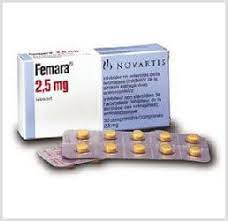
Femara, also known as Letrozole is a medication used to treat certain types of breast cancer in postmenopausal women. It is an oral medication that falls under the class of aromatase inhibitors that work by reducing the amount of estrogen in the body. This article discusses the uses, benefits, side effects, and warnings associated with Femara.
Uses
Femara is primarily used to treat breast cancer that has already been diagnosed. It is used to prevent the cancer from recurring in women who have already undergone surgery or chemotherapy. Femara is used to treat hormone receptor-positive cancer, where estrogen is responsible for the cancer’s growth.
Benefits
Femara is highly efficient at preventing and treating breast cancer. Specifically, compared to tamoxifen therapy, which is the standard of care, Femara is more effective. In addition, Femara has been known to prevent cancer from spreading to other parts of the body, thereby significantly reducing the risk of the cancer’s recurrence.
Side Effects
Like most medications, Femara is also known to cause a range of side effects. However, not every patient will experience these side effects; some may have more severe symptoms than others. The most common side effects associated with the use of Femara are:
- Hot flashes
- Joint pain
- Nausea
- Headaches
- Weak bones
- Increased risk of fractures
In some rare cases, individuals may develop more severe side effects such as allergic reactions, vision problems, liver problems, and severe bone pain.
Warnings
It is crucial to follow all instructions a healthcare professional provides while using Femara. In addition, it is recommended that individuals inform their healthcare providers of any pre-existing medical conditions or allergies that they may have. The following warnings should be considered before and during the use of Femara:
- Femara should not be used by pregnant women or women who may become pregnant. This medication can cause harm to the fetus.
- Femara can also interfere with hormonal birth control, and in such instances, it is recommended that non-hormonal birth control methods be used.
- Femara can have adverse effects on the liver, and regular monitoring is essential to ensure optimal liver health.
- Femara can cause drowsiness and, therefore should not be used if an individual intends to participate in activities that require alertness and concentration, such as driving or operating machinery.
FAQs
If you accidentally miss a dose of Femara, you should take the missed dose as soon as you remember. However, if it is almost time for your next dose, it is recommended that you skip the missed dose and take the next dose as scheduled.
Recent studies have shown that Femara has been more effective than tamoxifen at preventing breast cancer recurrence in postmenopausal women with hormone receptor-positive breast cancer.
It is crucial to let your healthcare provider know of any medications, supplements, or herbs you may be taking before starting Femara since it may interact with certain medications.
Hair loss is not a known side effect of Femara. However, during cancer treatment, chemotherapy is usually administered alongside Femara, and chemotherapy can cause hair loss.
Femara is used to treat and prevent breast cancer. However, it is essential to keep monitoring the breasts for any lumps or changes regularly. In very rare cases, cancer can still develop while on Femara therapy.
Conclusion
Femara is prescribed to postmenopausal women to prevent the recurrence of breast cancer. Though it has minimal side effects, it is essential to follow all instructions provided by your healthcare provider. The medication has proved to be more efficient than its counterpart, tamoxifen, and should be considered given the benefits associated with it. Remember to follow all instructions and report any unusual symptoms to your healthcare provider.