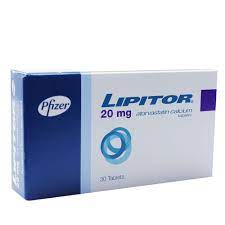
Uses
Lipitor is primarily used to reduce the levels of low-density lipoprotein (LDL) cholesterol in the blood. LDL cholesterol is considered as the “bad” form of cholesterol as it is associated with several health problems, including heart disease and stroke. Reducing LDL cholesterol levels with the help of Lipitor can reduce the risks of developing these problems.
Lipitor is also used to reduce the levels of triglycerides, which are another form of fat found in the blood. High levels of triglycerides can also lead to heart problems, so Lipitor can be used in conjunction with other medications to reduce triglycerides levels.
Benefits
Lipitor has several benefits when used as directed by a healthcare provider. It can not only reduce cholesterol and triglyceride levels in the blood but can also prevent the formation of plaques in artery walls, which can lead to heart attacks and strokes.
Regular use of Lipitor can also reduce the risk of heart attack and stroke in people who have already suffered from heart attacks or strokes in the past, making it an effective medication for long-term use.
Side Effects
Although Lipitor is generally considered as a safe medication for most people, it can cause some side effects in some patients. The most common side effects of Lipitor include muscle pain, weakness, and tenderness. Rarely, Lipitor can cause liver problems, including elevated liver enzymes, liver inflammation, and liver failure.
Other side effects of Lipitor may include memory problems, confusion, sleep disturbance, and gastrointestinal symptoms such as nausea, diarrhea, and constipation. Patients who experience these side effects should seek medical attention promptly.
Warnings
Lipitor should not be taken by pregnant or breastfeeding women as it can harm the fetus or infant. Patients who have a history of liver disease or unusual liver function tests should also avoid taking Lipitor.
Patients who are taking other medications, including herbal remedies and supplements, should inform their healthcare providers before starting Lipitor as it can interact with these drugs and lead to severe side effects. Patients who experience unexplained muscle pain, tenderness, or weakness while taking Lipitor should stop taking the medication and seek medical attention immediately.
Patients who are allergic to any of the ingredients in Lipitor should not take the medication. Allergic reactions can include hives, rash, itching, or difficulty breathing.
FAQs
Lipitor is generally safe for most people when used as directed by a healthcare provider. However, it can cause some side effects, including muscle pain, weakness, and tenderness. Patients who experience these side effects should seek medical attention promptly.
The duration of Lipitor treatment varies depending on the severity of the patient’s condition and their response to the medication. Patients should continue taking Lipitor for as long as their healthcare provider recommends without interruption.
Patients who are taking other medications, including herbal remedies and supplements, should inform their healthcare providers before starting Lipitor as it can interact with these drugs and lead to severe side effects.
Lipitor can cause memory problems and confusion in some patients. Patients who experience these symptoms should seek medical attention immediately.
Patients are advised to avoid drinking alcohol while taking Lipitor as it can increase the risk of liver damage and other adverse effects.