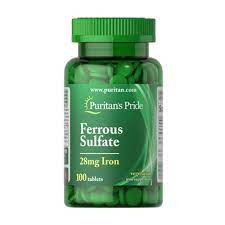
Ferrous sulfate, commonly known as iron sulfate, is a medication used to treat or prevent iron deficiency anemia. Iron is an essential mineral required for the production of hemoglobin, the protein responsible for carrying oxygen in the blood. Ferrous sulfate supplements can help replenish iron levels in individuals with low iron stores. However, like any medication, it is crucial to understand its uses, benefits, side effects, and warnings before consumption.
Uses of Ferrous Sulfate
1. Iron Deficiency Anemia Treatment: Ferrous sulfate is primarily used to treat iron deficiency anemia, which occurs when the body lacks enough iron to produce adequate amounts of hemoglobin. It helps restore iron levels and promotes the production of healthy red blood cells.
2. Iron Supplementation during Pregnancy: Pregnant women often experience an increased demand for iron to support both their body’s needs and the development of the baby. Ferrous sulfate supplements can be prescribed to meet this requirement and prevent iron deficiency anemia during pregnancy.
3. Treatment of Chronic Blood Loss: Individuals with chronic blood loss, such as those suffering from gastrointestinal bleeding or heavy menstrual periods, may require ferrous sulfate to counteract the iron loss. This medication aids in rebuilding iron stores and preventing anemia.
Benefits of Ferrous Sulfate
1. Enhanced Energy Levels: Iron is a vital component of hemoglobin, which transports oxygen to body tissues. By improving iron levels, ferrous sulfate can help combat fatigue, weakness, and promote higher energy levels.
2. Improved Cognitive Function: Sufficient iron levels are essential for optimal brain function. Adequate iron intake through ferrous sulfate can support mental alertness, concentration, and memory.
3. Promotes Healthy Pregnancy Outcomes: Iron deficiency anemia during pregnancy can increase the risk of premature birth, low birth weight, and developmental issues. Ferrous sulfate supplements can minimize these risks and promote better pregnancy outcomes.
Side Effects of Ferrous Sulfate
Like any medication, ferrous sulfate comes with potential side effects, although not everyone experiences them. Common side effects include:
1. Gastrointestinal Upset: Mild stomach discomfort, nausea, constipation, or diarrhea may occur as a result of ferrous sulfate consumption. Taking the medication with food or adjusting the dosage can help alleviate these symptoms.
2. Stained Teeth: Liquid forms of ferrous sulfate may temporarily stain teeth. Patients are advised to rinse their mouth thoroughly after taking the medication.
3. Allergic Reactions: Although rare, allergic reactions such as rash, itching, swelling, severe dizziness, or difficulty breathing may occur. Immediate medical attention is necessary if any allergic symptoms arise.
Warnings for Ferrous Sulfate
1. Medical Conditions: Individuals with certain conditions like hemochromatosis (excess iron absorption disorder), hemolytic anemia (destruction of red blood cells), or stomach/intestinal ulcers should use ferrous sulfate cautiously. Prior consultation with a healthcare professional is essential.
2. Medication Interactions: Ferrous sulfate may interact with other medications, including antacids, tetracycline antibiotics, penicillamine, and proton pump inhibitors. Inform your doctor about all medications, vitamins, or herbal supplements you are currently taking to avoid potential complications.
3. Overdose: Excessive intake of ferrous sulfate can lead to iron poisoning. Keep the medication out of reach of children and follow the prescribed dosage carefully. In case of accidental overdose, seek medical help immediately.
Frequently Asked Questions (FAQs)
Yes, it is safe and often recommended to prevent iron deficiency anemia during pregnancy. However, consult with your healthcare provider before starting any medication.
Iron levels should start improving within a few weeks of starting ferrous sulfate. However, full recovery may take several months, and consistent use is crucial.
To minimize gastrointestinal side effects, it is generally recommended to take ferrous sulfate with food or immediately after a meal.
Some medications may interact with ferrous sulfate, so always inform your healthcare provider about all medications, supplements, or vitamins you are taking.
While certain dietary changes can help increase iron intake, supplements like ferrous sulfate are often necessary to meet specific iron needs. Discuss options with your doctor or a registered dietitian.






