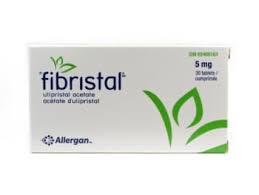
Fibristal is a prescription drug used for various medical conditions related to the female reproductive system. This medication contains ulipristal acetate as the active ingredient, which is a selective progesterone receptor modulator. In this article, we discuss the uses, benefits, side effects, and warnings related to Fibristal.
Uses
Fibristal is primarily used for the treatment of uterine fibroids, which are non-cancerous growths that develop in the uterus. Uterine fibroids can cause symptoms like heavy menstrual bleeding, prolonged menstrual periods, pelvic pressure, and pain. Fibristal works by inhibiting the production of hormones that stimulate the growth of uterine fibroids.
Apart from treating uterine fibroids, Fibristal is also used for emergency contraception, where it can be taken within 120 hours of unprotected sexual intercourse, to prevent pregnancy. It has been approved by the FDA as a contraceptive method in the United States.
Benefits
Fibristal offers several benefits to women struggling with uterine fibroids. By inhibiting fibroid growth, it can relieve symptoms like heavy menstrual bleeding, pelvic pain, and pressure. In a study conducted on 432 women, 42% of those taking Fibristal reported a significant improvement in menstrual bleeding, compared to only 2% of those taking the placebo.
Fibristal is also a highly effective emergency contraception option. In a clinical trial, 95% to 98% of women who took Fibristal within 120 hours of unprotected sex did not get pregnant.
Side Effects
Like all medications, Fibristal can cause side effects. Some of the common side effects of this medication include:
- Headaches
- Nausea
- Hot flashes
- Abdominal pain
- Painful menstrual cramps
- Back pain
In rare cases, Fibristal can cause serious side effects such as liver damage and anaphylaxis (a serious allergic reaction). Symptoms of liver damage include abdominal pain, yellowing of the skin or eyes, dark urine, and vomiting. In case of any severe side effects, medical attention should be sought immediately.
Warnings
Fibristal is not suitable for everyone, and there are some precautions that need to be taken while using this medication. For instance, pregnant women should avoid taking Fibristal. It should also not be taken while breastfeeding, as it can pass through breast milk and harm the nursing infant.
Fibristal can interact with some medications, such as rifampin, phenobarbital, and St. John’s Wort. Women who are taking such medications should inform their doctor before taking Fibristal.
FAQs
Fibristal is primarily used for the treatment of uterine fibroids and as an emergency contraceptive.
Fibristal works by inhibiting the production of hormones that stimulate the growth of uterine fibroids.
Common side effects of Fibristal include headaches, nausea, hot flashes, abdominal pain, painful menstrual cramps, and back pain.
In rare cases, Fibristal can cause liver damage. Symptoms of liver damage include abdominal pain, yellowing of the skin or eyes, dark urine, and vomiting.
No, Fibristal is not safe during pregnancy, and pregnant women should avoid taking this medication.






