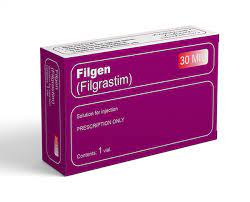
Filgrastim injection is a medication that is used to stimulate the production of white blood cells in the body. It is commonly used to treat conditions that cause a low white blood cell count, such as cancer and certain types of infections.
Uses
Filgrastim injection is primarily used to treat neutropenia, a condition characterized by a low number of neutrophils, which are a type of white blood cell. Neutropenia can occur as a result of chemotherapy or radiation therapy for cancer, or it can be caused by certain medications or medical conditions.
By stimulating the production of white blood cells, filgrastim injection helps to prevent infections and improve the body’s ability to fight off disease. It is often used in cancer patients undergoing chemotherapy to reduce the risk of infection and shorten the duration of hospital stays.
Benefits
The main benefit of filgrastim injection is its ability to increase the number of white blood cells in the body, which helps to strengthen the immune system. By boosting the immune system, this medication can help prevent serious infections and complications that can occur in patients with a low white blood cell count.
Additionally, filgrastim injection can help cancer patients continue with their chemotherapy treatment without interruptions due to low white blood cell counts. This can be crucial in ensuring the effectiveness of the treatment and improving overall outcomes.
Side Effects
As with any medication, filgrastim injection may cause side effects in some individuals. Common side effects include bone pain, muscle aches, headache, and fatigue. These side effects are usually mild and go away on their own. However, if they persist or become bothersome, it is important to notify your healthcare provider.
In rare cases, filgrastim injection may cause more serious side effects such as allergic reactions, difficulty breathing, or swelling of the face, lips, tongue, or throat. If you experience any of these symptoms, seek immediate medical attention.
Warnings
Before starting treatment with filgrastim injection, it is important to inform your healthcare provider about any allergies you may have, as well as any other medications or supplements you are taking. This medication may interact with certain medications, so it is essential to provide a complete list to your healthcare provider.
It is also important to follow all instructions provided by your healthcare provider regarding the use of filgrastim injection. Do not exceed the recommended dose or frequency of administration. If you miss a dose, contact your healthcare provider for further guidance.
Additionally, filgrastim injection should not be used during pregnancy unless specifically recommended by a healthcare provider. It is not known whether this medication passes into breast milk, so breastfeeding should be avoided while taking filgrastim injection.
FAQs
No, filgrastim injection is primarily used to treat neutropenia, which is a condition characterized by a low white blood cell count. It is not effective against all types of infections.
Filgrastim injection is typically administered as a subcutaneous injection, meaning it is injected just under the skin. Your healthcare provider will provide specific instructions on how to administer the medication.
Yes, filgrastim injection can be used in children. However, the dosage and administration may vary depending on the age and weight of the child. Consult with a healthcare provider for appropriate pediatric dosing.
There are no specific dietary restrictions associated with filgrastim injection. However, it is always important to maintain a balanced and nutritious diet to support overall health and immune function.
Filgrastim injection is typically used for short-term treatment to address neutropenia caused by specific conditions or treatments. Long-term use may require careful monitoring and assessment by a healthcare provider.






