Uses
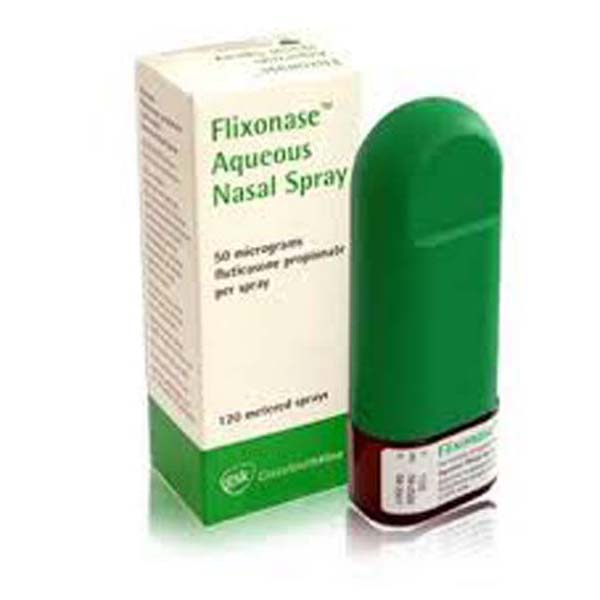
Flonase Nasal is a medication commonly used to treat symptoms of allergic rhinitis, such as nasal congestion, sneezing, and runny nose. It belongs to a group of drugs known as corticosteroids, which work by reducing inflammation in the nasal passages. This medication is available in the form of a nasal spray and is typically used once or twice daily, as directed by a healthcare professional.
Benefits
Flonase Nasal provides relief from symptoms caused by seasonal or perennial allergies. By reducing inflammation in the nasal passages, it helps alleviate congestion, sneezing, and a runny nose. The medication works directly in the nasal passages without affecting the rest of the body, making it a targeted and effective treatment option for nasal allergy symptoms. Flonase Nasal is available over the counter, making it easily accessible to those in need of relief.
Side Effects
While Flonase Nasal is generally well-tolerated, like any medication, it may cause side effects in some individuals. Common side effects include nasal irritation, headache, and nosebleeds. These side effects are usually mild and temporary. However, if they persist or worsen, it is important to consult a healthcare professional. Rarely, individuals may experience more serious side effects such as vision changes, severe nosebleeds, or an allergic reaction. If any of these symptoms occur, immediate medical attention should be sought.
Warnings
Before using Flonase Nasal, it is crucial to discuss your medical history and any current medications with your healthcare provider. Inform them of any allergies, recent surgeries, or infections. It is also important to inform your healthcare provider if you are pregnant or breastfeeding, as the safety of Flonase Nasal during these periods has not been established. Flonase Nasal should not be used by children under the age of four without medical supervision.
Additionally, Flonase Nasal is for nasal use only and should not be ingested. It may take a few days of consistent use before experiencing the full benefits of this medication. If symptoms do not improve after several days, consult your healthcare provider. Flonase Nasal may interact with certain medications, so it is essential to disclose all current medications, including over-the-counter drugs and supplements, to your healthcare provider.
In conclusion, Flonase Nasal is a medication commonly used to treat symptoms of allergic rhinitis. It provides relief from nasal congestion, sneezing, and a runny nose caused by allergies. While generally well-tolerated, it may cause mild side effects such as nasal irritation and headache. Flonase Nasal should be used as directed and any concerns or persistent symptoms should be discussed with a healthcare professional.
FAQs
Flonase Nasal is not intended for immediate relief of nasal congestion. It may take a few days of consistent use before experiencing the full benefits of the medication. If you require immediate relief, consult your healthcare provider for alternative options.
The safety of Flonase Nasal during pregnancy has not been established. It is essential to consult your healthcare provider before using this medication if you are pregnant or planning to become pregnant.
Flonase Nasal may interact with certain medications. It is important to disclose all current medications, including over-the-counter drugs and supplements, to your healthcare provider to ensure safe usage.
Flonase Nasal should not be used by children under the age of four without medical supervision. It is important to consult a healthcare professional before using this medication in children.
Long-term use of Flonase Nasal may increase the risk of certain side effects. It is advisable to use this medication as directed by a healthcare professional and to discuss any concerns with your healthcare provider.






