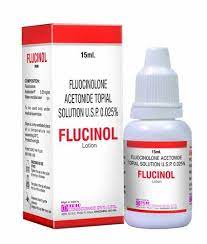
Uses
Fluocinolone topical is a medication that belongs to the corticosteroid class of drugs. It is commonly used to treat a variety of skin conditions such as eczema, dermatitis, psoriasis, and allergic reactions. This medication works by reducing inflammation, itching, and redness associated with these skin conditions. Fluocinolone topical is available in different forms, including creams, ointments, and solutions, allowing for easy application to affected areas of the skin.
Benefits
The main benefit of fluocinolone topical is its ability to provide relief from the symptoms of various skin conditions. By reducing inflammation, itching, and redness, this medication helps alleviate discomfort and improve the appearance of the skin. It can help to soothe irritated and itchy skin, reduce the formation of rashes and scales, and promote the healing of damaged skin. Fluocinolone topical is also effective in reducing the frequency and severity of flare-ups in chronic skin conditions.
Side Effects
Like any medication, fluocinolone topical can cause side effects, although not everyone experiences them. Common side effects may include skin irritation, burning, itching, dryness, or redness at the application site. These side effects are usually mild and temporary, and they typically improve as your skin adjusts to the medication. However, if these side effects persist or worsen, it is important to consult your healthcare provider. Rarely, more serious side effects such as thinning of the skin, discoloration, or stretch marks may occur. If you notice any unusual or severe side effects, seek medical attention immediately.
Warnings
Before using fluocinolone topical, it is important to inform your healthcare provider about any allergies or medical conditions you may have, as well as any medications you are currently taking. This medication should be used only as directed by your doctor, and it should not be applied to broken or infected skin. Avoid contact with the eyes, mouth, and other mucous membranes. Long-term use of fluocinolone topical or application to large areas of the body may increase the risk of systemic side effects. It is important to follow the prescribed dosage and duration of treatment. If you are pregnant or breastfeeding, consult your doctor before using this medication.
FAQs
Fluocinolone topical can be used on the face, but it should be used with caution as the skin on the face is more sensitive and prone to side effects. Avoid contact with the eyes, nose, and mouth.
The time it takes for fluocinolone topical to work may vary depending on the individual and the condition being treated. In some cases, improvement may be seen within a few days, while in others, it may take several weeks.
No, fluocinolone topical should not be used on open wounds or broken skin. It is important to wait until the skin has healed before applying the medication.
Fluocinolone topical can be used in children, but the dosage and duration of treatment may need to be adjusted based on their age and condition. Consult a pediatrician before using this medication in children.
Before using fluocinolone topical with other medications, it is important to consult your healthcare provider or pharmacist. Some medications may interact with fluocinolone topical, potentially affecting its effectiveness or increasing the risk of side effects.