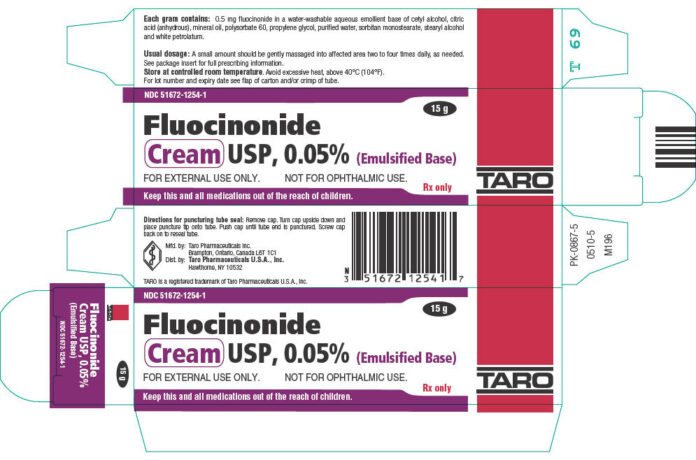
Fluocinonide topical is a medication that is commonly used to treat various skin conditions. It belongs to a class of drugs known as corticosteroids, which work by reducing inflammation and itching. This article will provide an overview of the uses, benefits, side effects, and warnings associated with fluocinonide topical.
Uses
Fluocinonide topical is primarily used to treat skin conditions such as eczema, psoriasis, dermatitis, and allergic reactions. It helps to relieve symptoms such as redness, swelling, itching, and irritation. This medication is available in the form of a cream, gel, ointment, or solution and is typically applied directly to the affected area of the skin.
Benefits
One of the main benefits of fluocinonide topical is its ability to provide quick relief from itching and inflammation. It helps to reduce the symptoms associated with various skin conditions, allowing individuals to feel more comfortable. Additionally, this medication can help to improve the appearance of the skin by reducing redness and swelling.
Side Effects
While fluocinonide topical is generally considered safe when used as directed, it may cause certain side effects. Common side effects include burning, stinging, itching, dryness, or redness at the application site. These side effects are usually mild and temporary. However, if they persist or worsen, it is important to consult a healthcare professional.
In rare cases, individuals may experience more severe side effects such as skin thinning, skin discoloration, stretch marks, or acne. If any of these side effects occur, it is crucial to seek medical attention immediately. Prolonged use of fluocinonide topical or applying it to large areas of the body may increase the risk of these side effects.
Warnings
Before using fluocinonide topical, it is important to inform your healthcare provider about any allergies, medical conditions, or medications you are currently taking. This medication should not be used on the face, groin, or underarms unless specifically directed by a healthcare professional.
Fluocinonide topical should be used with caution in children, as they may be more susceptible to side effects. It is advised to use the smallest amount necessary to achieve the desired effect. This medication should not be used for longer than the prescribed duration, as it may lead to systemic absorption and increase the risk of side effects.
FAQs
Fluocinonide topical is not typically recommended for the treatment of acne. It is primarily used for conditions such as eczema, psoriasis, dermatitis, and allergic reactions.
The time it takes for fluocinonide topical to work may vary depending on the individual and the severity of the condition. In most cases, noticeable improvement can be seen within a few days of starting treatment.
It is important to consult a healthcare professional before using fluocinonide topical during pregnancy. They will be able to assess the potential risks and benefits and provide appropriate guidance.
Fluocinonide topical should not be used on open wounds or broken skin unless specifically directed by a healthcare professional. It is intended for use on intact skin only.
Fluocinonide topical can be used in children, but caution should be exercised. It is important to follow the dosage and duration of treatment as directed by a healthcare professional to minimize the risk of side effects.