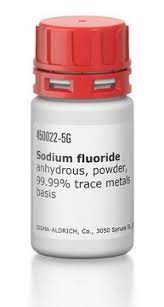
Fluoride Sodium is a chemical compound that is widely used in dentistry for its beneficial effects on oral health. It is commonly found in toothpaste, mouthwash, and other dental products. This article will explore the various uses, benefits, side effects, and warnings associated with Fluoride Sodium.
Uses
Fluoride Sodium has several important uses in dental care:
1. Prevents tooth decay: One of the primary uses of Fluoride Sodium is its ability to prevent tooth decay. It works by strengthening tooth enamel, making it more resistant to acid attacks from bacteria and sugars in the mouth.
2. Remineralization: Fluoride Sodium can aid in the remineralization of teeth. It helps to repair early stages of tooth decay by replacing lost minerals and preventing the progression of cavities.
3. Reduces tooth sensitivity: Fluoride Sodium can help reduce tooth sensitivity by blocking the tiny tubules in the dentin (the layer beneath the enamel) that transmit pain sensations.
Benefits
The use of Fluoride Sodium offers several benefits for oral health:
1. Stronger teeth: Regular use of Fluoride Sodium promotes the formation of stronger tooth enamel, making teeth more resistant to decay and cavities.
2. Prevents cavities: Fluoride Sodium is highly effective in preventing tooth decay. It acts as a protective barrier against harmful bacteria and acids that can erode the teeth.
3. Safe for all ages: Fluoride Sodium is safe to use for people of all ages, including children. It is an essential component of dental care and is often recommended by dentists for optimal oral health.
Side Effects
While Fluoride Sodium has numerous benefits, it is important to be aware of potential side effects:
1. Dental fluorosis: Excessive ingestion of Fluoride Sodium during tooth development can lead to dental fluorosis, a condition that causes white spots or streaks on the teeth. This is primarily a cosmetic issue and does not typically affect tooth function.
2. Allergic reactions: In rare cases, individuals may experience allergic reactions to Fluoride Sodium. Symptoms may include skin rashes, itching, swelling, or difficulty breathing. If any of these symptoms occur, discontinue use and seek medical attention.
3. Stomach upset: Ingesting large amounts of Fluoride Sodium can cause stomach upset, including nausea, vomiting, and diarrhea. It is important to follow the recommended dosage and avoid excessive ingestion.
Warnings
There are a few important warnings to consider when using Fluoride Sodium:
1. Supervise children: Children should be supervised while using Fluoride Sodium products to ensure they do not swallow excessive amounts. Swallowing large quantities of fluoride can be harmful, particularly to young children whose teeth are still developing.
2. Consult a dentist: If you have any concerns about using Fluoride Sodium, it is advisable to consult with your dentist. They can provide guidance on the appropriate use and dosage based on your individual oral health needs.
3. Store properly: Fluoride Sodium products should be stored out of reach of children. Accidental ingestion of large amounts can be dangerous.
FAQs
– Yes, Fluoride Sodium is safe for daily use as long as you follow the recommended dosage and do not ingest excessive amounts.
– Fluoride Sodium can help reverse early stages of tooth decay by promoting remineralization. However, advanced cavities may require dental intervention.
– While there are alternative dental products available, Fluoride Sodium is considered the gold standard for preventing tooth decay and promoting oral health.
– Ingesting large amounts of Fluoride Sodium can be harmful, especially for children. It is important to supervise children and ensure they do not swallow excessive amounts.
– Yes, Fluoride Sodium can help reduce tooth sensitivity by blocking pain sensations. It is often recommended for individuals with sensitive teeth.