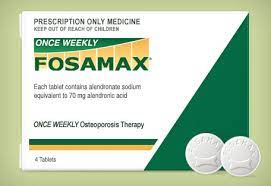
Fosamax is a medication that is used to treat and prevent osteoporosis in postmenopausal women. It is also used to treat patients with Paget’s disease of bone, a condition in which the bones become weak and brittle. This medication belongs to a class of drugs known as bisphosphonates, which work by inhibiting the activity of bone-resorbing cells.
Uses
Fosamax is primarily used to treat and prevent osteoporosis in postmenopausal women. Osteoporosis is a condition in which the bones become brittle due to a lack of calcium and other minerals, making them more prone to fractures. Fosamax is also used to treat Paget’s disease of bone, which can lead to bone pain, deformity, and an increased risk of fractures.
Benefits
Fosamax has been shown to reduce the risk of spine, hip, and non-spine fractures in postmenopausal women with osteoporosis. It can also increase bone density, which can reduce the risk of fractures. In patients with Paget’s disease of bone, Fosamax can reduce bone pain and improve bone structure.
Side Effects
Like all medications, Fosamax can cause side effects. Common side effects include:
– Stomach pain
– Nausea
– Constipation
– Diarrhea
– Headache
– Dizziness
– Rash
More serious side effects can include:
– Severe allergic reactions, including difficulty breathing and swelling of the face, lips, tongue, or throat
– New or worsening heartburn
– Difficulty swallowing
– Chest pain
– Jaw pain or numbness
– Unusual thigh bone fractures
If you experience any of these serious side effects, seek medical attention immediately.
Warnings
Fosamax should not be taken by patients with certain medical conditions, including:
– Esophageal abnormalities, such as strictures or achalasia
– Inability to stand or sit upright for at least 30 minutes
– Hypocalcemia (low blood calcium levels)
– Allergy or hypersensitivity to Fosamax or any of its components
Fosamax should not be used during pregnancy or while breastfeeding. It is important to talk to your doctor if you are pregnant, planning to become pregnant, or breastfeeding.
In addition, it is important to follow the dosing instructions carefully and to take Fosamax with a full glass of water. Patients should not lie down for at least 30 minutes after taking Fosamax, and they should not take any other medications or supplements within the same time frame.
FAQs
Fosamax should be taken on an empty stomach, at least 30 minutes before the first food, drink, or medication of the day.
It is important to talk to your doctor before taking Fosamax with calcium supplements, as they may interfere with the absorption of the medication.
The length of treatment with Fosamax depends on the individual’s condition and response to treatment. Your doctor can provide more specific guidance.
Fosamax has been associated with an increased risk of osteonecrosis of the jaw (ONJ), a condition in which the jaw bone does not heal properly after a minor injury or dental procedure. Patients should notify their dentist if they are taking Fosamax.
It is important to continue taking Fosamax as prescribed, even if you feel better. Stopping the medication prematurely can increase the risk of fractures and other complications.






