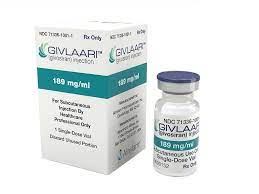
Givlaari subcutaneous is a medication that is used for the treatment of acute hepatic porphyria (AHP) in adults. This rare genetic disorder affects the production of heme, a component of red blood cells, leading to the buildup of porphyrins in the body. Givlaari works by reducing the levels of porphyrins, thereby preventing attacks and reducing the severity of symptoms associated with AHP. It is important to understand the uses, benefits, side effects, and warnings of Givlaari before starting any treatment.
Uses
Givlaari is primarily used for the treatment of acute hepatic porphyria in adults. AHP is a rare genetic disorder that affects the liver’s ability to produce heme, a component necessary for the production of hemoglobin. Hemoglobin is responsible for carrying oxygen to different parts of the body. When there is a deficiency or improper production of heme, it leads to the buildup of porphyrins, which can cause severe abdominal pain, weakness, seizures, and other debilitating symptoms.
Benefits
Givlaari has shown promising results in reducing the frequency and severity of acute attacks in patients with AHP. By reducing the levels of porphyrins in the body, it helps alleviate symptoms and improves the overall quality of life for individuals living with this condition. Clinical trials have shown a significant reduction in the number of attacks experienced by patients receiving Givlaari compared to those on a placebo.
Side Effects
While Givlaari is generally well-tolerated, it may cause some side effects in certain individuals. Common side effects include injection site reactions, such as pain, redness, and swelling. Other potential side effects may include nausea, fatigue, fever, headache, and dizziness. It is important to discuss any persistent or bothersome side effects with your healthcare provider. In rare cases, Givlaari may cause serious allergic reactions or liver problems. Seek immediate medical attention if you experience symptoms such as difficulty breathing, rash, itching, yellowing of the skin or eyes, or dark urine.
Warnings
Before starting Givlaari treatment, inform your healthcare provider about any existing medical conditions, allergies, or medications you are taking. Givlaari may interact with certain medications, so it is crucial to disclose your complete medical history to ensure safe and effective treatment. It is not recommended to use Givlaari during pregnancy or while breastfeeding, as its effects on the unborn baby or nursing infant are unknown.
Regular monitoring of liver function is important while on Givlaari treatment, as it may cause liver damage in some individuals. Your healthcare provider may perform routine liver tests to ensure your liver is functioning properly. If you have a history of liver disease or elevated liver enzymes, Givlaari should be used with caution and under close medical supervision.
It is important to follow the prescribed dosage and administration instructions provided by your healthcare provider. Do not stop or change the dosage without consulting your doctor, as it may affect the effectiveness of the treatment.
Conclusion
In conclusion, Givlaari subcutaneous is a valuable treatment option for individuals with acute hepatic porphyria. Understanding its uses, benefits, side effects, and warnings is crucial for safe and effective treatment. Always consult your healthcare provider for personalized advice and guidance regarding your specific condition and treatment plan.
FAQs
The onset of action may vary from person to person. Some individuals may experience a reduction in symptoms within a few weeks of starting Givlaari, while others may take longer to see significant improvement.
Givlaari is not a cure for acute hepatic porphyria. It is a treatment that helps manage the symptoms and reduce the frequency of attacks. It is important to continue treatment as prescribed by your healthcare provider.
Givlaari is currently approved for use in adults only. Its safety and effectiveness in children have not been established, and further studies are needed to determine its use in pediatric populations.
Givlaari may interact with certain medications, including those that affect liver enzymes. It is important to inform your healthcare provider about all the medications you are currently taking to avoid potential drug interactions.
There are no specific dietary restrictions associated with Givlaari. However, it is recommended to follow a well-balanced diet and maintain a healthy lifestyle to support overall health and well-being.






 in adults.)