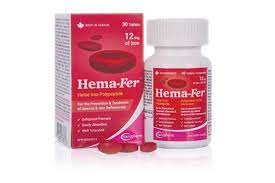
Hema-Fer is a medication that is often prescribed to treat iron deficiency anemia. This medication is made up of two ingredients: ferrous fumarate and folic acid. Ferrous fumarate is an iron supplement that is easily absorbed into the body, while folic acid is a vitamin that helps the body produce red blood cells. In this article, we explore the uses, benefits, side effects, and warnings associated with Hema-Fer.
Uses
Hema-Fer is primarily used to treat iron deficiency anemia. Iron deficiency anemia occurs when the body does not have enough iron to produce hemoglobin, a protein found in red blood cells that carries oxygen throughout the body. Hema-Fer helps to replenish the body’s iron stores, allowing it to produce more hemoglobin and red blood cells.
In addition to treating iron deficiency anemia, Hema-Fer may also be prescribed to treat other conditions that cause anemia, such as chronic kidney disease. This medication may also be used to prevent anemia in people who are at risk due to poor nutrition, a history of gastrointestinal bleeding, or pregnancy.
Benefits
The primary benefit of taking Hema-Fer is the treatment or prevention of anemia. Anemia can cause symptoms such as fatigue, weakness, and shortness of breath. By replenishing the body’s iron stores and helping it produce more red blood cells, Hema-Fer can alleviate these symptoms and improve a person’s quality of life.
In addition to treating anemia, Hema-Fer may also provide other benefits. For example, some studies suggest that adequate iron intake may decrease the risk of developing cognitive decline or depression in older adults. Folic acid, another ingredient in Hema-Fer, has been shown to reduce the risk of certain birth defects when taken by pregnant women.
Side Effects
Like all medications, Hema-Fer can cause side effects. The most common side effects of this medication include nausea, constipation, diarrhea, and stomach upset. Some people may also experience a metallic taste in their mouth or darkening of the stool when taking Hema-Fer. These side effects are usually mild and go away once the body adjusts to the medication.
In rare cases, Hema-Fer may cause more serious side effects, such as an allergic reaction. Signs of an allergic reaction include hives, difficulty breathing, and swelling of the face, lips, tongue, or throat. If you experience any of these symptoms, seek medical attention immediately.
Warnings
Hema-Fer is generally considered safe when taken as directed. However, there are some precautions and warnings that you should be aware of before taking this medication.
First, Hema-Fer should not be taken by people who are allergic to iron or folic acid. It should also be used with caution in people who have a history of gastrointestinal problems, such as ulcerative colitis or Crohn’s disease.
If you are pregnant or breastfeeding, talk to your doctor before taking Hema-Fer. While this medication is generally considered safe for pregnant and breastfeeding women, it is important to discuss the risks and benefits with your doctor before starting treatment.
Finally, Hema-Fer may interact with certain medications, such as antibiotics and antacids. If you are taking any other medications, be sure to tell your doctor before starting Hema-Fer.
FAQs
It can take up to two weeks for Hema-Fer to improve hemoglobin levels and alleviate anemia symptoms.
Yes, Hema-Fer can be taken with food to reduce the risk of stomach upset.
Take the missed dose as soon as you remember. However, if it is almost time for your next dose, skip the missed dose and continue with your regular dosing schedule.
Hema-Fer is generally safe for children over the age of 12. However, the dosage will be based on the child’s weight and should be determined by a doctor.
The length of Hema-Fer treatment will vary depending on the underlying condition and severity of anemia. Be sure to follow your doctor’s instructions regarding duration of treatment.






