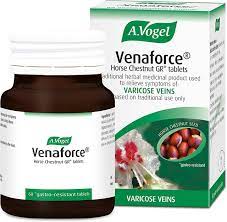
Horse chestnut, also known as Aesculus hippocastanum, is a tree native to southeastern Europe and has been used for centuries in traditional medicine. The tree produces seeds, bark, leaves, and flowers, all of which have medicinal properties. In this article, we will explore the uses, benefits, side effects, and warnings associated with horse chestnut.
Uses
Horse chestnut has a variety of uses in both traditional and modern medicine. Some common uses include:
- Treating varicose veins: Horse chestnut extract is commonly used to reduce the symptoms of varicose veins, such as swelling, pain, and itching. It is believed to strengthen blood vessel walls and improve blood flow.
- Alleviating hemorrhoids: Due to its anti-inflammatory and vasoconstrictive properties, horse chestnut cream or ointment can be used topically to reduce swelling and discomfort associated with hemorrhoids.
- Relieving leg pain and fatigue: Horse chestnut supplements may help alleviate symptoms of leg pain, heaviness, and fatigue caused by poor blood circulation.
- Reducing inflammation: Horse chestnut contains compounds that possess anti-inflammatory properties, making it useful in reducing inflammation caused by conditions such as arthritis.
- Treating skin conditions: The astringent properties of horse chestnut extract make it effective in treating skin conditions like eczema and dermatitis.
Benefits
Horse chestnut offers several potential benefits when used appropriately. Some of these benefits include:
- Improved circulation: Horse chestnut extract can help improve blood circulation by strengthening blood vessel walls and reducing inflammation, leading to reduced leg pain and swelling.
- Antioxidant properties: The seeds of horse chestnut contain antioxidants, which can help protect the body against oxidative stress and damage caused by free radicals.
- Pain relief: Horse chestnut has analgesic properties, which can provide relief from pain associated with conditions like varicose veins and hemorrhoids.
- Anti-edematous effects: Edema, or fluid retention, can be reduced by horse chestnut due to its ability to promote fluid drainage and reduce inflammation.
- Wound healing: Horse chestnut extract has been found to enhance wound healing by improving blood flow and reducing inflammation.
Side Effects
While horse chestnut is generally safe when used appropriately, it can cause certain side effects in some individuals. These side effects may include:
- Stomach upset: Some people may experience digestive issues, such as nausea, stomach cramps, or diarrhea, when taking horse chestnut orally.
- Headache and dizziness: In rare cases, horse chestnut may cause headaches or dizziness. If these symptoms persist or worsen, it is advisable to discontinue use.
- Allergic reactions: Allergic reactions to horse chestnut are rare but can occur. Symptoms may include itching, swelling, rash, or difficulty breathing. Seek medical attention if any allergic reactions are experienced.
Warnings
Although horse chestnut can offer several benefits, it is important to be aware of certain precautions and warnings:
- Pregnancy and breastfeeding: It is not recommended to use horse chestnut products during pregnancy or while breastfeeding, as there is limited research on its safety during these periods.
- Interactions with medications: Horse chestnut may interact with certain medications, including blood thinners and anticoagulants. It is essential to consult a healthcare professional before using horse chestnut supplements if you are taking any medications.
- Pre-existing medical conditions: People with liver or kidney diseases should exercise caution when using horse chestnut, as it may exacerbate these conditions.
FAQs
Horse chestnut can help alleviate the symptoms of varicose veins, such as swelling and pain. However, it cannot cure the condition entirely. It is advisable to consult a healthcare professional for proper diagnosis and treatment options.
Horse chestnut is generally not recommended for use in children, as there is limited research on its safety and efficacy in this age group. It is best to consult a pediatrician before considering the use of horse chestnut in children.
The time it takes to experience the benefits of horse chestnut can vary depending on the individual and the specific condition being treated. It is recommended to follow the recommended dosage for a few weeks to assess its effectiveness. However, it is important to consult a healthcare professional for personalized advice.
Yes, horse chestnut creams or ointments can be applied topically to the affected area for conditions like varicose veins or hemorrhoids. However, it is crucial to follow the instructions and consult a healthcare professional if needed.
If you have a bleeding disorder or are taking medication that affects blood clotting, it is important to consult a healthcare professional before using horse chestnut. The herb may interact with certain medications and exacerbate bleeding disorders.






