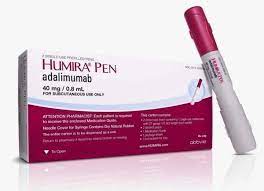
Humira Pen Subcutaneous is a prescription medication used to treat various conditions such as rheumatoid arthritis, Crohn’s disease, psoriatic arthritis, ulcerative colitis, and ankylosing spondylitis. It is a biologic drug that works by suppressing the immune system and reducing inflammation in the body. This article provides an overview of the uses, benefits, side effects, and warnings associated with Humira Pen Subcutaneous.
Uses
Humira Pen Subcutaneous is commonly prescribed to manage the symptoms of rheumatoid arthritis, a chronic inflammatory disease that affects the joints. It can help reduce joint pain, swelling, and stiffness, improving overall joint function and quality of life for patients. Additionally, this medication is effective in treating other autoimmune conditions like psoriatic arthritis, which causes joint inflammation and skin lesions, and ankylosing spondylitis, a type of arthritis that primarily affects the spine.
Benefits
The main benefit of Humira Pen Subcutaneous is its ability to alleviate symptoms associated with autoimmune diseases. By targeting specific molecules responsible for inflammation, it helps control the overactive immune response that characterizes these conditions. The medication can significantly reduce pain, swelling, and joint damage, allowing patients to lead more active and fulfilling lives. Moreover, Humira Pen Subcutaneous may also improve skin symptoms in patients with moderate to severe psoriasis.
Side Effects
Like any medication, Humira Pen Subcutaneous can cause side effects. Common side effects include injection site reactions, such as redness, itching, or pain at the injection site. These reactions are usually mild and temporary. Other possible side effects include headache, nausea, upper respiratory tract infections, and abdominal pain. In rare cases, more severe side effects may occur, including serious infections, liver problems, blood disorders, and heart failure. It is important to discuss any unusual symptoms with your healthcare provider.
Warnings
Before starting Humira Pen Subcutaneous, it is essential to inform your doctor about any existing medical conditions, including infections, heart problems, liver disease, or a history of cancer. This medication may increase the risk of developing certain types of cancers, particularly lymphoma. Additionally, Humira Pen Subcutaneous can weaken the immune system, making individuals more susceptible to infections. It is crucial to avoid live vaccines while taking this medication. Pregnant or breastfeeding women should consult with their healthcare provider before using Humira Pen Subcutaneous, as its effects on unborn or nursing babies are not well understood.
Conclusion
In conclusion, Humira Pen Subcutaneous is a valuable medication for managing autoimmune conditions. Its ability to reduce inflammation and improve symptoms offers relief and improved quality of life for many patients. However, it is essential to be aware of the potential side effects and follow all precautions and instructions provided by your healthcare provider.
FAQs
The onset of action varies from person to person. Some individuals may experience relief within a few weeks, while others may require several months of treatment before noticing significant improvement.
Yes, Humira Pen Subcutaneous is designed to be self-administered at home after receiving proper training from a healthcare professional. However, it is important to follow the instructions carefully and consult with your doctor if you have any concerns.
There are no specific restrictions on alcohol consumption while taking Humira Pen Subcutaneous. However, excessive alcohol intake may have negative effects on your overall health and could potentially interact with other medications you may be taking. It is best to consult with your doctor regarding alcohol consumption.
Humira Pen Subcutaneous is approved for use in children over the age of 6 with certain conditions, such as juvenile idiopathic arthritis. The dosage and administration instructions may vary for pediatric patients, so it is important to follow your doctor’s guidance.
It is important to follow your doctor’s instructions regarding the duration of treatment. Stopping Humira Pen Subcutaneous abruptly may lead to a relapse of symptoms. Always consult with your doctor before making any changes to your medication regimen.






