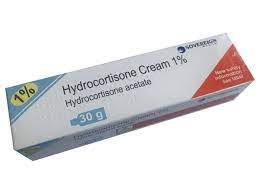
Hydrocortisone is a medication that belongs to a class of drugs known as corticosteroids. It is commonly used to treat various conditions such as inflammation, allergies, and skin disorders. This article will provide an overview of the uses, benefits, side effects, and warnings associated with this medicine.
Uses
Hydrocortisone is primarily used to reduce inflammation and suppress the immune response. It is commonly prescribed for the treatment of conditions such as:
- Allergic reactions: Hydrocortisone can effectively relieve symptoms like itching, redness, and swelling caused by allergic reactions.
- Arthritis: It can help reduce inflammation and pain associated with various forms of arthritis.
- Skin conditions: This medication is often prescribed to treat skin conditions such as eczema, psoriasis, and dermatitis.
- Asthma: Hydrocortisone can help manage asthma symptoms by reducing airway inflammation.
- Adrenal insufficiency: It is also used as a replacement therapy in patients with adrenal insufficiency, a condition characterized by inadequate production of cortisol by the adrenal glands.
Benefits
The use of hydrocortisone offers several benefits to patients suffering from the aforementioned conditions. These include:
- Reduced inflammation: Hydrocortisone works by suppressing the body’s immune response, leading to a reduction in inflammation and related symptoms.
- Relief from itching and redness: It can alleviate itching, redness, and other discomfort associated with various skin conditions and allergies.
- Pain relief: For individuals with arthritis, hydrocortisone can help reduce pain and discomfort by minimizing inflammation in the joints.
- Better management of asthma: By reducing airway inflammation, hydrocortisone can effectively manage asthma symptoms and improve breathing.
- Normalization of cortisol levels: In patients with adrenal insufficiency, hydrocortisone helps restore cortisol levels, preventing adrenal crisis and related complications.
Side Effects
Like any medication, hydrocortisone may cause side effects, although not everyone will experience them. Common side effects include:
- Skin irritation: Applying hydrocortisone topically may cause skin irritation, such as redness, burning, and itching.
- Thinning of the skin: Long-term use or excessive application of hydrocortisone may lead to the thinning of the skin, making it more prone to infections and easy bruising.
- Allergic reactions: Some individuals may develop an allergic reaction to hydrocortisone, resulting in symptoms like rash, hives, or difficulty breathing. Seek immediate medical attention if you experience these symptoms.
- High blood sugar levels: Prolonged or high-dose use of hydrocortisone can raise blood sugar levels, especially in individuals with diabetes. Regular monitoring of blood sugar levels is crucial in these cases.
- Reduced immune function: Long-term use of hydrocortisone can weaken the immune system, increasing the risk of infections.
Warnings
Prior to using hydrocortisone, it is important to take certain precautions and consider the following warnings:
- Medical history: Inform your healthcare provider about any previous medical conditions, especially diabetes, high blood pressure, liver disease, or any infections.
- Pregnancy and breastfeeding: Discuss the use of hydrocortisone with your doctor before using it if you are pregnant or breastfeeding, as it may have potential risks for the baby.
- Drug interactions: Inform your healthcare provider about any other medications you are taking, including prescription drugs, over-the-counter medications, and herbal supplements, as they may interact with hydrocortisone.
- Dosage and administration: Always follow the prescribed dosage and administration instructions provided by your healthcare professional to ensure optimal safety and effectiveness.
- Withdrawal symptoms: Abruptly stopping the use of hydrocortisone after prolonged treatment may cause withdrawal symptoms. Consult your doctor for appropriate tapering off of the medication.
FAQs
Yes, hydrocortisone can be an effective treatment for poison ivy as it helps reduce the associated itching, redness, and inflammation. However, for severe cases, stronger corticosteroids may be necessary.
The time taken for hydrocortisone to work varies depending on the condition being treated. In some cases, improvement can be seen within a few hours, while in others, it may take several days. Follow your doctor’s instructions for the specific duration of treatment.
The time taken for hydrocortisone to work varies depending on the condition being treated. In some cases, improvement can be seen within a few hours, while in others, it may take several days. Follow your doctor’s instructions for the specific duration of treatment.
Long-term use of hydrocortisone should be done under the supervision and guidance of a healthcare professional. Prolonged use can lead to potential side effects and requires regular monitoring of blood sugar levels and adrenal function.
Yes, hydrocortisone can interact with certain medications, including some antibiotics, antifungals, and immunosuppressants. Always inform your healthcare provider about all medications you are taking to avoid potential interactions.






