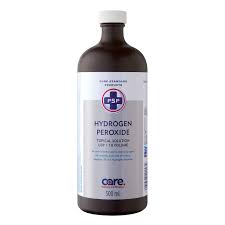
Hydrogen peroxide is a chemical compound that has been used for various purposes, including as a disinfectant, antiseptic, and bleaching agent. It is also used in healthcare settings to clean wounds and prevent infection. In recent years, hydrogen peroxide has gained popularity as a treatment for various mucous membrane conditions. In this article, we will explore the uses, benefits, side effects, and warnings associated with hydrogen peroxide mucous membrane treatment.
Uses
Hydrogen peroxide is commonly used for cleaning and disinfecting wounds, but it can also be used to treat various mucous membrane conditions. Some of the uses include:
- Treating canker sores: Hydrogen peroxide can provide relief from the pain and discomfort caused by canker sores. It helps in reducing inflammation and promoting healing.
- Managing oral infections: Hydrogen peroxide can be used as a mouth rinse to help treat oral infections, such as gingivitis and periodontitis. Its antiseptic properties can help kill bacteria and reduce inflammation.
- Relieving sore throat: Gargling with diluted hydrogen peroxide solution can help alleviate the pain and inflammation associated with a sore throat. However, it is important to use the proper dilution to avoid potential side effects.
Benefits
The use of hydrogen peroxide on mucous membranes can offer several benefits:
- Antibacterial properties: Hydrogen peroxide has powerful antibacterial properties that can help kill harmful bacteria in the mouth and throat.
- Pain relief: Hydrogen peroxide can provide temporary relief from pain and discomfort associated with mucous membrane conditions.
- Reduced inflammation: By reducing inflammation, hydrogen peroxide can help alleviate symptoms such as redness, swelling, and irritation.
Side Effects
While hydrogen peroxide can be beneficial when used properly, it is important to be aware of potential side effects:
- Oral irritation: Using undiluted or high concentrations of hydrogen peroxide can cause oral irritation, including burning and stinging sensations.
- Disruption of oral flora: Hydrogen peroxide can disturb the natural balance of bacteria in the mouth, potentially leading to an overgrowth of harmful bacteria.
- Allergic reactions: Some individuals may be allergic to hydrogen peroxide, and using it on mucous membranes can trigger allergic reactions such as itching, swelling, or rash.
Warnings
Before using hydrogen peroxide on mucous membranes, it is important to keep the following warnings in mind:
- Proper dilution: Always dilute hydrogen peroxide with water before using it on mucous membranes. Using undiluted hydrogen peroxide can cause severe irritation and damage.
- Consultation with a healthcare professional: If you are unsure about the appropriate use of hydrogen peroxide or if you have any underlying medical conditions, it is recommended to consult a healthcare professional before using it.
- Avoid swallowing: Hydrogen peroxide should not be ingested. Swallowing hydrogen peroxide can cause stomach irritation and other adverse effects.
FAQs
Hydrogen peroxide can be used to clean open wounds, but it is not recommended for long-term use or to promote wound healing. It is best to consult a healthcare professional for proper wound care.
Yes, hydrogen peroxide can be used as a mouthwash to help treat certain oral conditions. However, it should be diluted properly and used in moderation.
Yes, there are alternative treatments available for mucous membrane conditions, such as saltwater rinses or over-the-counter oral antiseptics. It is best to consult a healthcare professional to determine the most suitable option for your specific condition.
Hydrogen peroxide has not been proven to effectively treat sinus infections. It is advisable to consult a healthcare professional for proper diagnosis and treatment of sinus infections.
It is best to consult a healthcare professional before using hydrogen peroxide on children, as they may have different sensitivities and requirements compared to adults.