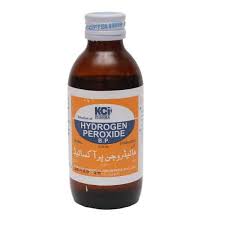
Hydrogen peroxide is a chemical compound commonly used for various purposes. From wound cleaning to hair bleaching, this multi-purpose liquid is found in almost every household. However, it is important to understand its uses, benefits, side effects, and warnings to ensure its safe and effective usage.
Uses
Hydrogen peroxide has a wide range of uses due to its antiseptic and disinfectant properties. Some common applications include:
- First Aid: Hydrogen peroxide can be used to clean wounds, cuts, and burns. It helps in preventing infections and promotes faster healing.
- Oral Hygiene: When used in diluted form as a mouthwash, hydrogen peroxide can help in treating oral problems like gingivitis, canker sores, and bad breath.
- Sanitization: It is effective in disinfecting household surfaces, such as kitchen countertops, cutting boards, and bathroom fixtures.
- Stain Removal: Hydrogen peroxide acts as a bleaching agent and can be used to remove stubborn stains from fabrics, carpets, and even teeth.
- Hair Lightening: Many people use hydrogen peroxide to naturally lighten their hair color. It can provide subtle highlights or lighten the overall hair color.
Benefits
The use of hydrogen peroxide offers several benefits:
- Cost-effective: Hydrogen peroxide is an affordable alternative for cleaning and disinfection purposes.
- Multi-purpose: It can be utilized for various applications, reducing the need for multiple cleaning products.
- Fast action: Hydrogen peroxide acts quickly on wounds, preventing the growth of harmful bacteria.
- Environmentally friendly: It breaks down into water and oxygen, making it an eco-friendly option compared to certain chemical cleaners.
- Accessible: Hydrogen peroxide is easily available over-the-counter at pharmacies and stores.
Side Effects
While hydrogen peroxide is generally safe to use, it can cause some side effects:
- Skin Irritation: Applying hydrogen peroxide directly on the skin may lead to redness, itching, or burning sensations.
- Mouth Irritation: Using undiluted hydrogen peroxide as a mouthwash can cause irritation, soreness, or even chemical burns on the gums and oral tissues.
- Allergic Reactions: Some individuals may be allergic to hydrogen peroxide, experiencing symptoms such as hives, itching, or difficulty breathing.
- Eye Irritation: Contact with hydrogen peroxide may cause eye irritation, redness, or temporary blurred vision.
Warnings
Before using hydrogen peroxide, it is important to consider the following warnings:
- Concentration: Only use 3% hydrogen peroxide for general purposes. Higher concentrations may cause severe side effects.
- Undiluted Use: Avoid using undiluted hydrogen peroxide directly on the skin, mucous membranes, or internally.
- Children and Pets: Keep hydrogen peroxide and products containing it out of reach of children and animals.
- Medical Conditions: Consult a healthcare professional before using hydrogen peroxide if you have any underlying medical conditions or allergies.
- Storage: Store hydrogen peroxide in a cool, dry place away from direct sunlight or heat sources.
Frequently Asked Questions (FAQs)
Here are answers to some commonly asked questions about hydrogen peroxide:
Yes, it can effectively disinfect household surfaces, killing germs and bacteria.
When diluted, hydrogen peroxide can be used as a mouthwash for oral hygiene purposes. However, it should not be swallowed.
Overusing hydrogen peroxide can cause hair damage, dryness, and breakage. It is advisable to exercise caution and limit usage.
Yes, hydrogen peroxide is commonly used as a first-aid antiseptic for cleaning wounds. However, it is recommended to seek medical advice for severe or deep wounds.
Discontinue use immediately, thoroughly rinse the affected area with water, and consult a healthcare professional if the irritation persists.
conclusion
In conclusion, hydrogen peroxide has versatile uses, including wound cleaning, oral hygiene, and stain removal. While it offers numerous benefits, it is crucial to be aware of potential side effects and follow safety precautions. If in doubt, consult a healthcare professional or seek medical advice before using hydrogen peroxide.






