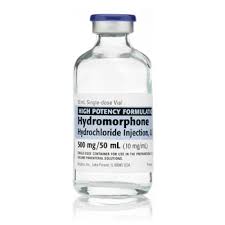
Hydromorphone Hydrochloride is a potent opioid analgesic medication primarily used to manage moderate to severe pain. It is commonly prescribed for patients who require continuous pain relief, especially in cases where other pain medications have not been effective. This article will provide an overview of the uses, benefits, side effects, and warnings associated with Hydromorphone Hydrochloride.
Uses
Hydromorphone Hydrochloride is most commonly used to treat severe pain, such as that experienced by cancer patients or individuals recovering from major surgery. It belongs to a class of drugs known as opioid analgesics, which work by binding to opioid receptors in the brain, spinal cord, and other parts of the body. By blocking the perception of pain signals, it can provide significant relief to patients.
Benefits
One of the key benefits of Hydromorphone Hydrochloride is its potency. It is approximately 5-7 times stronger than morphine, making it highly effective in providing pain relief. Additionally, it can be administered in various forms such as tablets, injections, or suppositories, allowing flexibility in dosing and route of administration.
Hydromorphone Hydrochloride also offers a rapid onset of action, ensuring that patients receive relief as quickly as possible. Its short duration of action allows for frequent dosing adjustment, ensuring optimal pain management. Moreover, it is metabolized by the liver and primarily excreted by the kidneys, making it suitable for patients with impaired liver function.
Side Effects
As with any medication, Hydromorphone Hydrochloride carries the risk of side effects. Common side effects may include constipation, drowsiness, dizziness, sweating, and nausea. These side effects are generally temporary and can be managed with proper medical guidance. However, if any of these side effects persist or become severe, it is essential to consult a healthcare professional.
Less common but more serious side effects may include shallow breathing, confusion, hallucinations, mood changes, and slow heartbeat. If any of these side effects are experienced, immediate medical attention should be sought. It is important to note that the risk of side effects can vary from person to person, and healthcare professionals closely monitor patients who are prescribed Hydromorphone Hydrochloride.
Warnings
There are several important warnings associated with the use of Hydromorphone Hydrochloride. Firstly, it should not be used by individuals who are allergic to opioids or have a history of allergic reactions to any of the ingredients present in the medication. Additionally, it should be used with caution in individuals with respiratory conditions such as asthma or chronic obstructive pulmonary disease (COPD), as it can cause respiratory depression.
Hydromorphone Hydrochloride should also be used with caution in individuals with a history of substance abuse or addiction, as it can be habit-forming. It is important to follow the prescribed dosage and duration of use to minimize the risk of dependence. If the medication needs to be discontinued, it is essential to consult a healthcare professional to ensure a safe tapering off process.
Pregnant or breastfeeding individuals should discuss the risks and benefits of using Hydromorphone Hydrochloride with their healthcare provider, as it may pass into breast milk or affect the developing fetus. Moreover, it is important to avoid alcohol consumption while taking this medication, as it can increase the risk of serious side effects.
FAQs
Yes, Hydromorphone Hydrochloride can be habit-forming, especially if used for an extended period or in higher doses than prescribed. It is important to follow the doctor’s instructions and seek medical guidance if discontinuing the medication.
No, Hydromorphone Hydrochloride can cause drowsiness and impair cognitive function. It is advised to avoid driving or operating heavy machinery while taking this medication.
It is important to inform your healthcare provider about any other medications you are taking, as they can interact with Hydromorphone Hydrochloride. Some drugs, such as certain antidepressants or sedatives, can increase the risk of side effects when combined with this medication.
There are no specific food restrictions associated with Hydromorphone Hydrochloride. However, it is recommended to avoid alcohol consumption, as it can amplify the sedative effects and increase the risk of adverse reactions.
No, abruptly discontinuing Hydromorphone Hydrochloride can result in withdrawal symptoms. It is important to consult a healthcare professional for proper tapering off instructions to minimize the risk of withdrawal.