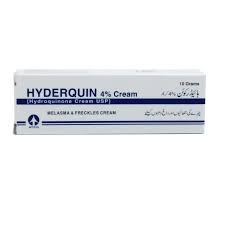
Uses
Hydroquinone is a commonly used medication that is primarily used to lighten areas of darkened skin, such as age spots, melasma, and hyperpigmentation caused by acne scars. It works by inhibiting the production of melanin, the pigment responsible for skin color, thereby lightening the affected areas. Hydroquinone is available in various forms, including creams, gels, and lotions, and it is typically applied directly to the affected skin.
Benefits
Hydroquinone provides several benefits when used as directed by a healthcare professional. Some of the key benefits include:
-
- Lightening of dark spots: Hydroquinone is highly effective in reducing the appearance of dark spots, helping restore a more even skin tone.
-
- Treatment of melasma: Melasma, a condition characterized by brown or gray patches on the face, can also be improved with the use of hydroquinone.
-
- Reduced hyperpigmentation: Acne scars and other forms of hyperpigmentation can be significantly diminished with hydroquinone treatment, resulting in a smoother complexion.
Side Effects
While hydroquinone is generally safe when used as directed, it can occasionally cause side effects. Some individuals may experience:
-
- Skin irritation: Mild redness, itching, or a burning sensation may occur at the site of application.
-
- Skin dryness: Hydroquinone can sometimes cause dryness or flakiness of the skin.
-
- Increase in sensitivity to the sun: It is important to protect your skin from the sun’s harmful rays while using hydroquinone, as it may increase sensitivity and risk of sunburn.
If you experience severe or persistent side effects, it is recommended to consult your healthcare professional for further guidance.
Warnings
Although hydroquinone is generally safe for most users, there are certain precautions and warnings associated with its use. It is important to:
-
- Avoid contact with eyes, lips, and nostrils: Hydroquinone should not come into contact with these areas, as it may cause irritation.
-
- Avoid using with other skin-lightening products: Combining hydroquinone with other skin-lightening products or treatments may increase the risk of adverse reactions.
-
- Follow recommended usage guidelines: It is important to strictly follow the instructions provided by your healthcare professional or the product label to ensure safe and effective use of hydroquinone.
-
- Inform your healthcare professional about your medical history: Certain medical conditions or medications may interact with hydroquinone, so it is crucial to disclose your complete medical history to your healthcare professional.
FAQs (Frequently Asked Questions)
-
- Can hydroquinone be used to lighten dark spots on any part of the body?
Yes, hydroquinone can be used to lighten dark spots on various parts of the body, including the face, hands, legs, and arms.
-
- How long does it take for hydroquinone to show results?
The duration of treatment can vary depending on the individual and the severity of the condition. However, noticeable improvements can often be seen within a few weeks of regular use.
-
- Can hydroquinone be used during pregnancy?
It is generally recommended to avoid using hydroquinone during pregnancy or while breastfeeding. It is best to consult with a healthcare professional for personalized advice.
-
- Is hydroquinone suitable for all skin types?
Hydroquinone is generally suitable for most skin types, but individuals with hypersensitive or allergic skin should exercise caution and seek medical advice before use.
-
- Are there any long-term effects of using hydroquinone?
Long-term effects of hydroquinone are rare, especially when used as directed. However, it is crucial to discontinue use and consult a healthcare professional if you notice any unusual or severe reactions.
Readers comparing formulations may also want our guide to Hydroquinone Skin Bleaching Topical.






