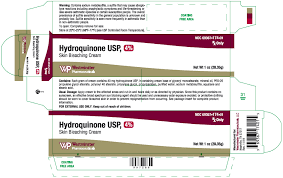
Hydroquinone skin bleaching topical is a medication commonly used for the treatment of hyperpigmentation, melasma, and other skin conditions. It is a powerful agent that helps lighten the skin by reducing the production of melanin, the pigment responsible for skin color. While hydroquinone can be highly effective, it is important to understand its uses, benefits, side effects, and warnings before incorporating it into your skincare routine.
Uses
Hydroquinone is primarily used for the treatment of hyperpigmentation, a condition characterized by the darkening of certain areas of the skin. This can occur due to various factors such as sun damage, hormonal changes, acne scars, or melasma. Hydroquinone works by inhibiting the enzyme responsible for melanin production, thus lightening the skin and reducing the appearance of dark spots and patches.
Benefits
The main benefit of hydroquinone is its ability to effectively lighten the skin and improve the appearance of hyperpigmentation. It is considered one of the most potent and reliable treatments for conditions such as melasma. Hydroquinone can often produce visible results within a few weeks of regular use, leading to a more even complexion and increased self-confidence.
Side Effects
While hydroquinone is generally safe for topical use, it can cause some side effects in certain individuals. Common side effects include mild skin irritation, redness, and dryness. These symptoms are usually temporary and subside as the skin adjusts to the medication. However, if you experience severe or persistent irritation, it is important to discontinue use and consult a healthcare professional.
In rare cases, hydroquinone can cause a condition called ochronosis, characterized by the darkening and thickening of the skin. This is more likely to occur with prolonged use or excessive application of hydroquinone. To minimize the risk of ochronosis, it is crucial to follow the recommended dosage and usage instructions provided by your healthcare provider.
Warnings
Hydroquinone should not be used by individuals with a known allergy or sensitivity to the medication. It is important to perform a patch test before applying hydroquinone to a larger area of the skin to check for any adverse reactions.
It is also essential to avoid using hydroquinone on broken or irritated skin. If you have any open wounds, cuts, or active skin infections, it is best to wait until the skin has healed before using hydroquinone.
Hydroquinone should not be used by pregnant or breastfeeding women without consulting a healthcare professional. Although there is limited evidence suggesting harm to the fetus or infant, it is important to err on the side of caution and seek medical advice before using hydroquinone during pregnancy or while breastfeeding.
Finally, it is crucial to protect your skin from excessive sun exposure while using hydroquinone. The medication can increase the skin’s sensitivity to sunlight, making it more prone to sunburn and damage. Always use a broad-spectrum sunscreen with a high SPF and wear protective clothing when outdoors.
Conclusion
In conclusion, hydroquinone skin bleaching topical is a powerful medication for treating hyperpigmentation and achieving a more even complexion. While it offers numerous benefits, it is essential to be aware of its potential side effects and follow the recommended usage guidelines. Consultation with a healthcare professional is always recommended for personalized advice and treatment options.
FAQs
The time taken for hydroquinone to show results can vary depending on the individual and the severity of the condition being treated. Visible improvements are typically seen within a few weeks of regular use, but it may take several months for optimal results.
Hydroquinone is generally safe for use on all skin types. However, individuals with sensitive skin may be more prone to experiencing mild irritation. It is advisable to perform a patch test before applying hydroquinone to a larger area of the skin.
Hydroquinone can be used alongside other skincare products, but it is important to consult a healthcare professional or dermatologist before combining it with other topical medications or treatments. They can provide guidance on the most suitable skincare routine for your specific needs.
Hydroquinone is available in both prescription and over-the-counter formulations. Lower concentrations (2% or less) can often be purchased without a prescription, while higher concentrations may require a prescription from a healthcare provider.
Long-term use of hydroquinone should be done under the guidance of a healthcare professional. Prolonged or excessive use of hydroquinone can increase the risk of side effects, such as ochronosis. It is best to follow the recommended usage instructions and seek medical advice if considering long-term use.






