Uses:
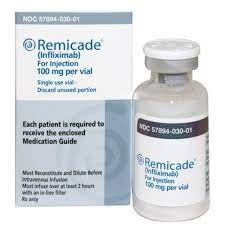
Infliximab, commonly known by its brand name Remicade, is a medication used to treat various inflammatory conditions. It is classified as a “tumor necrosis factor (TNF) blocker” and works by suppressing the immune system’s response to inflammation in the body.
The main uses of infliximab include:
- Treating Crohn’s disease
- Managing ulcerative colitis
- Relieving symptoms of rheumatoid arthritis
- Treating psoriasis
- Managing ankylosing spondylitis
- Controlling symptoms of psoriatic arthritis
- Managing moderate to severe plaque psoriasis
Benefits:
Iinfiximab provides significant relief from the symptoms of these inflammatory conditions and improves the quality of life for many patients. It helps to reduce pain, swelling, stiffness, and inflammation associated with these diseases. By inhibiting TNF, infliximab slows down disease progression and helps prevent joint damage in conditions such as rheumatoid arthritis and psoriatic arthritis.
Side Effects:
While infliximab is generally safe and effective, it may cause some side effects in certain individuals. Common side effects include:
- Headaches
- Fatigue
- Nausea
- Diarrhea
- Upper respiratory tract infections
- Abdominal pain
- Skin reactions at the injection site
It is important to note that these side effects are usually mild and temporary, and most individuals tolerate infliximab well. However, if any of these symptoms persist or worsen, it is advisable to consult a healthcare professional.
Warnings:
There are certain precautions and warnings associated with the use of infliximab:
- Increased risk of infections: Infliximab can weaken the immune system, making individuals more susceptible to infections. It is important to avoid close contact with sick individuals and inform healthcare providers about any signs of infection.
- Reactivation of latent infections: Infliximab may reactivate latent tuberculosis (TB) or hepatitis B infections. Therefore, individuals should be screened for these infections before starting treatment.
- Allergic reactions: Although rare, severe allergic reactions can occur after receiving infliximab. If there is shortness of breath, chest pain, swelling, or rash, immediate medical attention should be sought.
- Heart failure: Infliximab may worsen or lead to congestive heart failure. Individuals with a history of heart failure should be closely monitored while receiving this medication.
- Increased cancer risk: There have been reports of certain types of cancers, including lymphoma, in patients receiving infliximab. The overall risk is low, but individuals should be aware of this potential risk and discuss it with their healthcare provider.
Frequently Asked Questions (FAQs)
No, infliximab cannot cure the conditions it is used to treat. However, it can effectively manage the symptoms and slow down disease progression.
If you miss a scheduled dose, it is important to contact your healthcare provider to discuss the best course of action. They may recommend rescheduling the dose.
Live vaccines should be avoided while on infliximab, as they can cause serious infections. It is best to consult your healthcare provider regarding vaccinations.
The onset of action may vary, but some individuals may start experiencing improvements within a few weeks of starting treatment.
It is generally recommended to avoid excessive alcohol consumption while on infliximab, as it may increase the risk of side effects and liver issues.






