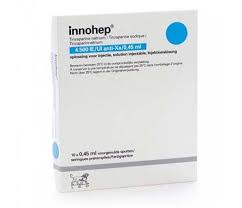
Innohep is a brand name for a medication called Tinzaparin. It is a low molecular weight heparin that is used to prevent and treat blood clots. In this article, we will discuss the uses, benefits, side effects, and warnings of Innohep.
Uses of Innohep
Innohep is primarily used to prevent and treat blood clots. It is commonly used in the following situations:
- After surgery (such as hip or knee replacement) to prevent blood clots from forming in the legs
- In patients with deep vein thrombosis (DVT), which is a blood clot in a deep vein, to prevent the clot from getting bigger or breaking off and traveling to the lungs
- In patients with pulmonary embolism (PE), which is a blood clot in the lungs, to prevent further clots from forming and reduce the risk of recurrence
- In patients at high risk of developing blood clots, such as those who are immobile due to illness or injury
Benefits of Innohep
Innohep can provide several benefits to patients who are at risk of developing blood clots. Some of these benefits include:
- Prevention of blood clots, which can lead to serious health complications such as stroke, heart attack, or pulmonary embolism
- Reduced risk of recurrence of blood clots
- Improved blood flow
Side Effects of Innohep
Like all medications, Innohep can cause side effects. Some of the most common side effects include:
- Bruising or bleeding at the injection site
- Nausea or vomiting
- Dizziness
More serious side effects may include:
- Unusual bleeding or bruising
- Chest pain or discomfort
- Swelling of the face, tongue, or throat
- Difficulty breathing or shortness of breath
If you experience any of these serious side effects, seek medical attention immediately.
Warnings for Innohep
Innohep is not suitable for everyone and there are certain precautions that should be taken before and during treatment. Some of these warnings include:
- Do not use Innohep if you are allergic to Tinzaparin or heparin
- Inform your healthcare provider if you have a history of bleeding or clotting disorders, stroke, or liver or kidney disease
- Use caution when taking other medications that can increase the risk of bleeding, such as aspirin or other blood thinners
- Do not take Innohep during pregnancy or while breastfeeding unless instructed to do so by your doctor
- Monitor your blood pressure regularly while taking Innohep
It is important to follow your doctor’s instructions for taking Innohep and to report any adverse reactions or unusual symptoms immediately.
Frequently Asked Questions
Innohep is not typically used to treat heart attacks. However, it may be used in certain situations, such as in patients who have had a heart attack and are at high risk of developing blood clots.
Innohep can interact with other medications, so it is important to inform your doctor of all medications you are taking before starting treatment with Innohep.
Innohep is administered as a subcutaneous injection (under the skin). Your healthcare provider will give you instructions and show you how to administer the injection at home.
Innohep is not typically used to treat blood clots in the brain. Treatment for this condition usually involves hospitalization and administration of other medications.
If you miss a dose of Innohep, contact your healthcare provider for instructions on how to proceed. Do not double dose to make up for a missed one.
Conclusion
Innohep is a medication used to prevent and treat blood clots. While it can provide several benefits, there are also risks associated with its use. It is important to follow your doctor’s instructions and report any adverse reactions or unusual symptoms immediately. If you have questions or concerns about Innohep, speak with your healthcare provider.






