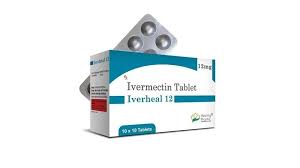
Ivermectin is a medication that is mainly used to treat parasitic infections. It is also recognized for its potential uses in other medical conditions, such as certain skin conditions. However, it is important to be aware of the potential side effects and warnings associated with this medication. In this article, we will explore the uses, benefits, side effects, and warnings of Ivermectin.
Uses
Ivermectin is commonly used to treat infections caused by certain parasites. It is highly effective in treating diseases such as onchocerciasis (river blindness) and strongyloidiasis, which are caused by parasitic worms. Additionally, this medication has shown promise in treating scabies, a skin infestation caused by tiny mites.
Benefits
The primary benefit of Ivermectin is its ability to eliminate parasitic infections. It works by killing the parasites or preventing their reproduction, thus halting the progression of the disease. This can significantly improve the quality of life for individuals affected by these infections, relieving symptoms and preventing further complications.
Another potential benefit of Ivermectin is its anti-inflammatory properties. Some studies suggest that it could be beneficial in reducing inflammation associated with certain skin conditions like rosacea and acne. However, more research is needed to confirm its effectiveness in treating these conditions.
Side Effects
While generally well-tolerated, Ivermectin can cause some side effects. The most common side effects include dizziness, headache, nausea, and diarrhea. These symptoms are usually mild and resolve on their own. In rare cases, allergic reactions may occur, characterized by rash, itching, swelling, severe dizziness, or difficulty breathing. If any of these severe side effects occur, immediate medical attention should be sought.
In some instances, Ivermectin may interact with other medications, such as certain antibiotics, antifungal drugs, or anticonvulsants. It is crucial to inform your healthcare provider about any other medications or supplements you are taking to avoid potential interactions.
Warnings
Although Ivermectin is considered safe for most people, there are certain precautions and warnings to be aware of.
Firstly, individuals with a known allergy to Ivermectin or any of its ingredients should avoid using this medication. Allergic reactions can be life-threatening and require immediate medical attention.
Secondly, Ivermectin should be used with caution in individuals with liver or kidney problems. In such cases, the dose may need to be adjusted to avoid potential complications.
It is also important to note that Ivermectin is not recommended for use in children weighing less than 33 pounds (15 kilograms) or under the age of 5 years (unless specifically prescribed by a healthcare professional). Safety and efficacy in this population have not been well-established.
Furthermore, pregnant or breastfeeding women should exercise caution when considering the use of Ivermectin. While some studies have shown no harmful effects on the fetus or infant, more research is needed to definitively establish its safety during pregnancy and lactation.
Always follow the dosage instructions provided by your healthcare provider and do not exceed the recommended dose. If you experience any unusual or concerning symptoms while taking Ivermectin, consult your healthcare provider immediately.
FAQs
While Ivermectin is primarily used for treating parasitic infections, it has shown potential benefits in certain skin conditions as well.
The side effects of Ivermectin are usually mild and resolve on their own. Severe side effects are rare but should be reported to a healthcare provider immediately.
Ivermectin is generally not recommended for use in children under the age of 5, unless specifically prescribed by a healthcare professional.
While some studies suggest that Ivermectin may be safe during pregnancy, it is best to consult with a healthcare provider to weigh the potential risks and benefits.
Ivermectin may interact with certain medications, including antibiotics, antifungals, and anticonvulsants. Inform your healthcare provider about all medications you are taking to avoid interactions.






