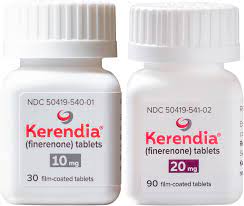
Kerendia, also known as finerenone, is a medication used to treat chronic kidney disease (CKD) in patients with type 2 diabetes. It belongs to a class of drugs called nonsteroidal mineralocorticoid receptor antagonists, which work by blocking the action of a hormone called aldosterone. Aldosterone is produced by the adrenal glands and helps regulate blood pressure and water balance in the body.
Uses:
Kerendia is primarily used to treat CKD in patients with type 2 diabetes. It is designed to slow down the progression of the disease by blocking the effects of aldosterone, which can cause damage to the kidneys over time. Specifically, Kerendia is used to reduce the risk of kidney failure, heart failure, and cardiovascular death in patients with CKD.
Benefits:
Kerendia has been shown to be effective in reducing the risk of kidney failure and cardiovascular events in patients with CKD. In a clinical trial involving over 5,000 patients, those who received Kerendia had a significantly lower risk of kidney failure, heart failure, and cardiovascular death compared to those who did not receive the medication. Kerendia also helped improve blood pressure control in these patients.
Side Effects:
As with any medication, Kerendia can cause side effects. The most common side effects reported in clinical trials include:
– Hyperkalemia (high potassium levels in the blood)
– Hypotension (low blood pressure)
– Diarrhea
– Nausea
– Dizziness
If you experience any of these side effects while taking Kerendia, you should speak with your doctor. In some cases, your doctor may need to adjust your dosage or switch you to a different medication.
Warnings:
Before taking Kerendia, you should inform your doctor if you have any of the following conditions:
– Liver disease
– Pregnancy or planning to become pregnant
– Breastfeeding
– High potassium levels in the blood
– Allergies to any medications
You should also inform your doctor of any other medications you are taking, including over-the-counter medications and supplements. Kerendia may interact with certain medications, such as potassium supplements, and increase your risk of hyperkalemia.
If you experience symptoms of an allergic reaction, such as hives, difficulty breathing, or swelling of the face, lips, tongue, or throat, you should seek immediate medical attention.
FAQs:
No, Kerendia cannot cure CKD. It is designed to slow down the progression of the disease and reduce the risk of kidney failure, heart failure, and cardiovascular death.
It can take several months for Kerendia to work. You may not notice any immediate improvement in your symptoms.
You should inform your doctor if you are pregnant or planning to become pregnant before taking Kerendia. It is not recommended to take Kerendia while breastfeeding.
If you miss a dose of Kerendia, you should take it as soon as you remember. If it is almost time for your next dose, skip the missed dose and continue with your regular dosing schedule.
No, you should not stop taking Kerendia without first consulting with your doctor. It is important to continue taking the medication as prescribed, even if you feel better. Stopping the medication prematurely could increase your risk of kidney failure or other complications.






