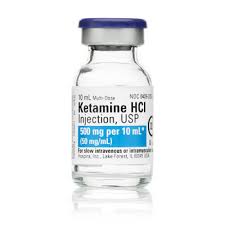
Ketamine is a medication primarily used for anesthesia, pain relief, and sedation. It belongs to a class of drugs called dissociative anesthetics and works by blocking certain receptors in the brain, resulting in a state of trance-like dissociation. While frequently used in medical settings, ketamine has also gained attention for its potential therapeutic uses and recreational abuse. This article will explore the various uses, benefits, side effects, and warnings associated with ketamine.
Uses
Ketamine has several medical uses across different fields. Its primary application is in anesthesia, where it is used to induce and maintain a state of unconsciousness during surgeries and medical procedures. Due to its fast-acting nature, ketamine is often preferred in emergency settings or situations where quick anesthesia is required.
Besides anesthesia, ketamine has also shown promise in managing chronic pain conditions, such as migraines, neuropathic pain, and pain related to cancer. It can be administered through different routes, including intravenous, intranasal, and oral, depending on the specific condition and patient’s needs.
Benefits
One of the significant benefits of ketamine is its rapid onset of action, making it an ideal choice for emergency situations. As an anesthetic, it can quickly induce a state of unconsciousness, allowing medical professionals to perform necessary procedures without delay.
Ketamine has also shown potential therapeutic benefits, particularly in the field of psychiatry. Recent research has indicated its effectiveness in treating certain mental health disorders, such as depression, anxiety, and post-traumatic stress disorder (PTSD). These effects are thought to be related to ketamine’s ability to modulate certain neurotransmitters in the brain.
Side Effects
Like any medication, ketamine is associated with several side effects, particularly when used in high doses or for prolonged periods. Common side effects include:
- Increased blood pressure and heart rate
- Dizziness and disorientation
- Nausea and vomiting
- Blurred vision
- Headache
In some cases, ketamine may also cause more severe side effects, such as hallucinations, hallucinogen persisting perception disorder (HPPD), and even psychological dependence. It is crucial to use ketamine under medical supervision to minimize these risks.
Warnings
While ketamine can offer significant benefits, there are certain warnings and precautions that should be considered:
- Ketamine should only be used by qualified healthcare professionals in controlled medical settings.
- It is contraindicated in individuals with a history of psychosis or certain heart conditions.
- Prolonged or high-dose use of ketamine may lead to bladder and urinary tract problems.
- Combining ketamine with other substances, especially alcohol or central nervous system depressants, can increase the risk of adverse effects and respiratory depression.
- Ketamine abuse can lead to addiction, cognitive impairment, and other long-term effects.
FAQs
Ketamine should only be used under medical supervision and is contraindicated in individuals with certain medical conditions, such as psychosis or heart problems.
Recent research suggests that ketamine may have a positive impact on treatment-resistant depression. However, it should only be administered by a healthcare professional in the appropriate setting.
Prolonged and high-dose use of ketamine may lead to cognitive impairment, bladder problems, and addiction. It is essential to use the medication as prescribed and under medical guidance.
Yes, ketamine is abused recreationally due to its dissociative and hallucinogenic effects. However, this is illegal and highly dangerous without proper medical supervision.
Ketamine blocks certain receptors in the brain, interrupting the transmission of pain signals and inducing a dissociative state of anesthesia.






