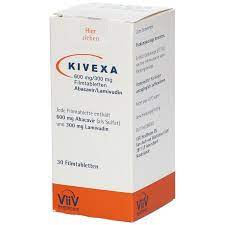
Kivexa is a combination medication used to treat HIV/AIDS. It contains the active ingredients abacavir and lamivudine, which belong to a class of drugs known as nucleoside reverse transcriptase inhibitors. It is prescribed to adults and children weighing at least 25 kg who are infected with the human immunodeficiency virus (HIV). In this article, we will explore the uses, benefits, side effects, and warnings of Kivexa.
Uses
Kivexa is used in combination with other anti-HIV drugs to control HIV infection. When used as part of a combination therapy, Kivexa can help lower the amount of HIV in the blood (viral load) and increase the number of CD4 T cells, which are important in fighting infection. The medication can also lower the risk of developing infections and diseases associated with HIV.
Benefits
Kivexa can reduce the amount of virus in the body and help to keep the immune system healthy. This medication can improve the quality of life of people living with HIV AIDS and reduce the risk of developing life-threatening infections and illnesses such as pneumonia, tuberculosis and other opportunistic infections. With proper use, Kivexa can also reduce the risk of transmission of HIV to non-infected individuals.
Side Effects
Like any medication, Kivexa can cause side effects. The most common side effects include headache, abdominal pain, nausea, diarrhea, vomiting, and rash. These side effects usually go away on their own within a few days or weeks. Other less common but serious side effects include:
– Hypersensitivity Reactions: Kivexa can cause a severe allergic reaction in some people. Symptoms of a hypersensitivity reaction include fever, rash, nausea, vomiting, diarrhea, abdominal pain and severe joint and muscle pain. In some cases, it can cause severe liver damage, which can be life-threatening.
– Lactic Acidosis: Kivexa can cause a buildup of lactic acid in the body, which can cause severe muscle pain, weakness, and difficulty breathing. This is rare but can be fatal in some cases.
– Liver Problems: Kivexa can cause liver problems, including liver damage, hepatitis, and liver failure. Symptoms of liver problems include yellowing of the skin and eyes, dark urine, pale stools, and abdominal pain, bloating, and fatigue.
Warnings
Before taking Kivexa, it is important to inform your doctor if you have any medical conditions, including kidney or liver disease, or if you are taking any other medications, including herbal remedies. Also, inform your doctor if you have a history of any allergic reactions or serious side effects to any medications in the past.
Kivexa may cause dizziness, drowsiness or weakness, and thus, should not be taken while driving or operating heavy machinery. Pregnant women should inform their doctors before taking Kivexa as it can pass into breast milk and harm the nursing baby.
FAQs
If you miss a dose, take it as soon as possible. However, if it is close to the time for your next dose, skip the missed dose and take the next one at the regular time.
Your doctor will determine how long you should take Kivexa. In most cases, it is taken for life unless there are compelling reasons to stop it.
No, Kivexa cannot cure HIV, but it can help to control the virus and prevent the progression of the disease.
Yes, Kivexa can be taken with or without food.
Yes, Kivexa can cause a false-positive result in drug screening tests for marijuana. Inform your healthcare provider if you are taking Kivexa to avoid any confusion or misinterpretation of test results.
In conclusion, Kivexa is an essential medication prescribed to treat HIV/AIDS, but with careful considerations of potential side effects and proper use as advised by healthcare professionals, it helps improve the lives of patients and reduce health risks associated with HIV infection.