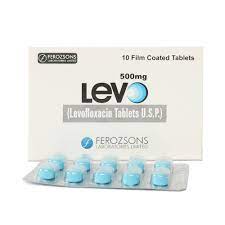
Uses
Levo, also known as Levothyroxine, is a medication commonly prescribed to treat an underactive thyroid gland, a condition known as hypothyroidism. This medication is a synthetic form of the hormone thyroxine, which is usually produced by the thyroid gland. By replacing or providing the necessary hormone, Levo helps in regulating the body’s metabolism and energy levels.
Benefits
The primary benefit of Levo is its ability to alleviate the symptoms associated with hypothyroidism. These symptoms may include fatigue, weight gain, slowed heart rate, dry skin, and depression. By restoring the balance of thyroid hormone levels, Levo helps to improve energy levels, increase metabolism, and improve overall well-being.
Side Effects
Like any medication, Levo is associated with certain side effects. Common side effects include headache, tremors, nervousness, irritability, and increased appetite. These side effects are usually temporary and tend to improve as the body adjusts to the medication. However, if any side effects persist or worsen, it is important to consult a healthcare professional.
In rare cases, some individuals may experience allergic reactions to Levo. Symptoms of an allergic reaction may include rash, itching, swelling, severe dizziness, or difficulty breathing. If any of these symptoms occur, immediate medical attention should be sought.
Warnings
It is essential to follow all instructions provided by the healthcare professional or as indicated on the medication label. Levo should be taken on an empty stomach, preferably 30 minutes to an hour before breakfast. Certain medications, supplements, or foods, such as soybean flour, cottonseed meal, and walnuts, may interfere with the absorption of Levo. Hence, it is crucial to inform the healthcare provider about any other medications or supplements being consumed.
Levo should not be used as a weight loss medication as it may result in serious health complications. The dosage of Levo is determined based on individual needs, so it is important to take the prescribed dose and not exceed it. Missing doses or stopping the medication without consulting a healthcare professional may lead to inadequate regulation of thyroid hormone levels. Regular follow-up appointments with the healthcare provider are necessary to monitor the effectiveness of the medication.
FAQs
It is essential to inform the healthcare provider about all medications or supplements being taken to avoid potential interactions. Some medications, like antacids, cholesterol-lowering drugs, and certain antidepressants, may interfere with the absorption of Levo.
The effects of Levo can vary among individuals. Some people may notice improvements in symptoms within a few weeks, while others may take several months. It is important to be patient and consistent with the medication.
Pregnant women with hypothyroidism or those who are planning to conceive should consult their healthcare provider. Adequate thyroid hormone levels are crucial for the healthy development of the fetus, so appropriate dosage adjustments may be necessary.
If a dose of Levo is missed, it is important to take it as soon as possible unless it is close to the time for the next scheduled dose. In such cases, the missed dose should be skipped, and the regular dosing schedule should be resumed.
When taken as prescribed, Levo is generally safe and well-tolerated. However, it is important to monitor thyroid hormone levels regularly and adjust the dosage if needed. Regular follow-up with a healthcare provider is crucial to ensure optimal treatment and minimize the risk of long-term side effects.






 uses benefits side effects warnings explained: treats hypothyroidism improves energy metabolism with dosage and safety guidance info)