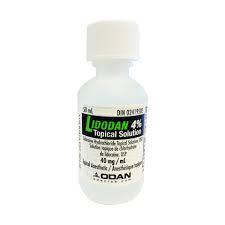
Lidodan is a medication that is used for its anesthetic properties. Lidodan belongs to a class of drugs known as local anesthetics. It works by blocking nerve signals in the body that are responsible for pain or discomfort. Lidodan is available in various forms like creams, gels, and injections. In this article, we will explore the uses, benefits, side effects, and warnings of Lidodan.
Uses
Lidodan is commonly used for local anesthesia during medical procedures such as dental work, minor surgeries, and certain diagnostic tests. It is also used as a topical medication to relieve pain and itching from skin conditions such as burns, insect bites, and rash.
Benefits
One of the main benefits of Lidodan is its ability to provide temporary pain relief. It is particularly helpful for patients who cannot tolerate or prefer not to use narcotics or other pain medications. Lidodan is also beneficial as it allows for greater patient comfort during medical procedures, reducing the need for sedation or general anesthesia. Topical Lidodan is easy to apply and can provide fast and targeted relief for various skin irritations.
Side Effects
Like all medications, Lidodan may cause side effects, although they are generally rare. Most commonly, patients may experience mild to moderate skin irritation. Other potential side effects include:
– Dizziness
– Nausea or vomiting
– Headache
– Blurred vision
– Heart palpitations
If you experience any of these side effects after using Lidodan, you should consult with your doctor or healthcare provider.
Warnings
Lidodan should not be used by patients who are allergic to Lidocaine or any other local anesthetic. It is also important to discuss any medical conditions and medications you are taking with your healthcare provider prior to using Lidodan, particularly if you have:
– Liver or kidney disease
– Heart disease
– Any previous allergic reaction to medications
Pregnant or nursing mothers should also consult with their doctor before using Lidodan.
FAQs
No, Lidodan is not a narcotic. It is a local anesthetic medication that works to relieve pain by blocking nerve signals in the body.
No, you should not apply Lidodan on open wounds unless specifically directed by your healthcare provider. Lidodan may cause irritation or infection if applied on an open wound.
Yes, Lidodan can be used by children, but healthcare providers should be consulted regarding the appropriate dosage.
The onset of Lidodan’s action will vary depending on the method of administration. Typically, Lidodan takes 5-10 minutes to take effect for local anesthesia and provides relief for up to 2 hours. Topical Lidodan may take effect more quickly, often within minutes.
It is generally safe to drive after using Lidodan, although you should wait until you are fully alert and aware before operating any machinery or driving. Dizziness and blurred vision are minor side effects that may occur in some patients and should be assessed before engaging in any activity that requires attention or focus.






