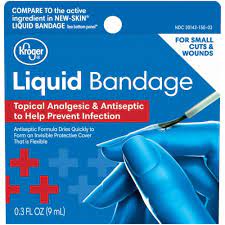
When it comes to minor cuts, scrapes, and abrasions, finding a convenient and effective solution is crucial for both comfort and quick healing. This is where liquid bandages come in. With their innovative formulation and easy application, liquid bandages have become a popular choice for treating minor skin injuries. In this article, we will explore the uses, benefits, side effects, and warnings of liquid bandages, ensuring you have all the information you need before incorporating them into your first aid kit.
Uses
Liquid bandages are primarily used as a protective layer for small cuts, scrapes, and open wounds. They work by creating a clear, occlusive film over the affected area, sealing moisture in and keeping dirt and bacteria out. This protective barrier helps prevent infection and allows the wound to heal efficiently.
Additionally, liquid bandages have proven useful in preventing blisters caused by friction. By applying a thin layer to areas prone to blistering, such as the feet, liquid bandages can reduce rubbing and provide an added layer of protection against discomfort and further damage.
Benefits
There are several benefits to using liquid bandages as compared to traditional adhesive bandages or gauze:
- Waterproof: Unlike traditional options, liquid bandages are waterproof, allowing you to shower, swim, or engage in other water-related activities without worrying about your wound getting wet.
- Invisible: Liquid bandages dry to form a nearly invisible film, making them an ideal choice for wounds on visible areas such as the face or hands.
- Flexible: The flexible nature of liquid bandages allows them to move with your skin, providing comfort and preventing cracking or detachment.
- Fast-drying: Liquid bandages typically dry within minutes, forming a protective layer that stays in place without the need for constant readjustment.
Side Effects
Although generally safe and well-tolerated, liquid bandages may cause minor side effects in some individuals. These can include:
- Discomfort or stinging: Some people may experience mild discomfort or a stinging sensation upon application. This usually subsides quickly as the product dries.
- Allergic reaction: Rarely, allergic reactions may occur. If you notice any signs of an allergic reaction, such as redness, swelling, or itching, discontinue use and seek medical advice.
It is worth noting that liquid bandages should not be applied to deep or infected wounds, as they are designed for minor injuries only. If you have any concerns about the suitability of a liquid bandage for your wound, consult a healthcare professional.
Warnings
While liquid bandages are generally safe to use, certain precautions should be considered:
- Do not use near the eyes or mouth: Liquid bandages are not meant for application near sensitive areas such as the eyes or mouth, as they can cause irritation.
- Keep out of reac
- Yes, liquid bandages can be an effective preventative measure against blisters. By applying a thin layer to areas prone to friction, they reduce rubbing and provide an additional protective barrier.
- h of children: Like any medication, liquid bandages should be stored out of reach of children to prevent accidental ingestion.
- Avoid if pregnant or breastfeeding: Although there is limited information on the safety of liquid bandages during pregnancy or while breastfeeding, it is advisable to consult a healthcare professional before use.
Frequently Asked Questions (FAQs)
No, liquid bandages are only suitable for minor cuts, scrapes, and abrasions. Deep wounds require medical attention to ensure proper cleaning, closure, and healing.
In most cases, one application of a liquid bandage is sufficient. However, if the wound is located in an area subject to frequent movement or contact, reapplication may be necessary every few days.
Liquid bandages can be used on children; however, extra caution should be exercised to ensure they do not ingest the product or experience any adverse reactions. Always supervise the application for young children.
Yes, liquid bandages can be an effective preventative measure against blisters. By applying a thin layer to areas prone to friction, they reduce rubbing and provide an additional protective barrier.
No, it is important to follow your healthcare professional’s instructions for post-surgical wound care. Liquid bandages are not suitable for covering surgical incisions, which often require specialized dressings for optimal healing.
Now equipped with knowledge about the uses, benefits, side effects, and precautions associated with liquid bandages, you can confidently include them in your first aid arsenal. Remember that proper wound care and seeking medical advice when necessary are essential for optimal healing.






