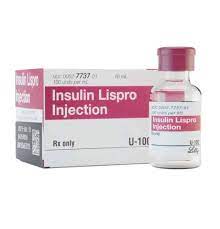
Uses
Lispro Insulin is a medicine that helps control blood sugar levels in people with diabetes. It is used to treat individuals with type 1 diabetes (whose bodies do not produce insulin) and type 2 diabetes (whose bodies do not use insulin effectively). This medication is especially beneficial for those who need rapid-acting insulin to manage blood sugar spikes after meals.
Benefits
By injecting Lispro Insulin subcutaneously, it enters the bloodstream and acts quickly to lower blood sugar levels. Its rapid onset of action makes it ideal for promptly managing post-meal glucose spikes, preventing hyperglycemia (high blood sugar levels) and its associated complications. Lispro Insulin’s ability to mimic the body’s natural insulin function provides effective glycemic control and reduces diabetes-related risks.
Side Effects
While Lispro Insulin is well-tolerated by most individuals, it may have some side effects. Common side effects include hypoglycemia (low blood sugar), which can cause symptoms such as trembling, sweating, confusion, and weakness. Other possible side effects include allergic reactions, injection site reactions (like redness or itching), and weight gain. It is important to promptly report any adverse effects to your healthcare provider.
Warnings
There are certain precautions and warnings to consider before using Lispro Insulin. Inform your doctor if you have liver or kidney problems, as dosage adjustments may be necessary. Additionally, Lispro Insulin should be used cautiously in individuals with hypokalemia (low blood potassium levels) or hypoglycemia unawareness. It is crucial to monitor blood sugar levels frequently and adjust the dose as required. Remember to inform your doctor about all medications you are currently taking to avoid any potential drug interactions.
FAQs
It is important to consult with your healthcare provider before using Lispro Insulin during pregnancy, as they will assess the potential benefits and risks.
Yes, Lispro Insulin can be used by children with type 1 diabetes under the guidance of a healthcare professional.
No, Lispro Insulin is a form of insulin, but it is used in conjunction with long-acting insulin therapy or basal-bolus regimen.
It is important to follow a healthy diet plan as advised by your doctor. Avoid excessive intake of sugary foods and drinks that may cause high blood sugar levels.
Lispro Insulin doesn’t typically impair driving ability. However, if you experience hypoglycemia symptoms while driving, it is recommended to pull over and treat the symptoms before continuing your journey.