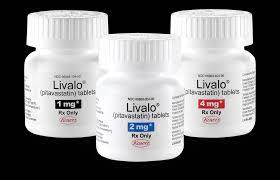
Livalo, also known as Pitavastatin, is a drug that belongs to the class of HMG-CoA reductase inhibitors, commonly known as statins. Livalo is used to lower cholesterol levels and triglycerides in the blood. Elevated cholesterol is a risk factor for heart disease, and taking Livalo can help reduce this risk. In this article, we’ll look at the uses, benefits, side effects, and warnings of Livalo.
Uses
Livalo is primarily used for the treatment of hypercholesterolemia, which is a condition where there is too much cholesterol in the blood. The medication helps to lower the LDL (bad) cholesterol while increasing the HDL (good) cholesterol levels in the body. It also helps to lower triglyceride levels. Livalo can be used alone or in combination with other medications to reduce the risk of cardiovascular disease.
Benefits
Livalo has several proven benefits, the most important of which is its ability to help reduce the risk of cardiovascular disease. By lowering cholesterol levels, Livalo decreases the formation of plaque in the arteries, which can lead to heart attacks and strokes. Livalo also reduces the risk of other heart-related complications such as angina, heart failure, and peripheral vascular disease.
Another benefit of Livalo is its ease of use. The medication is taken orally once a day and is generally well-tolerated. Livalo can also be taken with or without food, making it convenient for patients to take.
Side Effects
Like all medication, Livalo can cause side effects. Some of the most common side effects of Livalo include:
– Headache
– Muscle pain
– Nausea
– Abdominal pain
– Diarrhea
– Back pain
– Joint pain
These side effects usually resolve on their own within a few weeks of starting the medication. However, if they persist or become severe, you should contact your healthcare provider.
In rare cases, Livalo can cause serious side effects such as liver problems, muscle breakdown, and kidney damage. If you experience any of the following symptoms, you should contact your healthcare provider immediately:
– Unexplained muscle pain, tenderness, or weakness
– Dark-colored urine
– Yellowing of the skin or eyes
– Stomach pain
– Fatigue
– Flu-like symptoms
Warnings
There are several warnings associated with Livalo that patients should be aware of. First, Livalo should not be taken by pregnant women. The medication has been shown to harm developing fetuses in animal studies, and there are no adequate studies in pregnant women.
Second, Livalo can interact with other medications, including blood thinners, fibrates, and niacin. It’s important to tell your healthcare provider about all the medications you are taking before starting Livalo.
Third, Livalo can cause liver problems, especially when taken in high doses. Patients should have liver function tests before starting the medication and periodically during treatment. If liver function tests are abnormal, the dosage of Livalo may need to be adjusted or the medication stopped.
Lastly, Livalo can cause muscle problems, including muscle pain, weakness, and breakdown. Patients should report any unexplained muscle pain or weakness to their healthcare provider immediately.
FAQs
Livalo works by blocking the enzyme HMG-CoA reductase, which is responsible for producing cholesterol in the liver. This reduces the amount of cholesterol that is produced and increases the amount of HDL (good) cholesterol in the blood.
Livalo can start to lower cholesterol levels within two weeks of starting the medication. However, it may take up to 4 weeks before the full effects are seen.
Alcohol can interact with Livalo and increase the risk of liver problems. It’s best to avoid alcohol while taking Livalo.
Livalo should not be taken by pregnant women. The medication has been shown to harm developing fetuses in animal studies, and there are no adequate studies in pregnant women.
Livalo can interact with other medications, including blood thinners, fibrates, and niacin. It’s important to tell your healthcare provider about all the medications you are taking before starting Livalo.