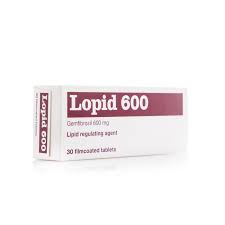
Lopid is a medication that is used to lower cholesterol and triglyceride levels in the blood. It belongs to a class of drugs called fibrates. Lopid works by increasing the breakdown of fatty acids in the liver and increasing the elimination of triglycerides from the blood. This article will explore the uses, benefits, side effects, and warnings associated with Lopid.
Uses
Lopid is used to treat hyperlipidemia, a condition where there are high levels of cholesterol and triglycerides in the blood. It is also used to reduce the risk of pancreatitis in patients with high levels of triglycerides. Lopid may be used alone or in combination with other medication to treat these conditions.
Benefits
Taking Lopid as prescribed can help lower cholesterol levels and reduce the risk of heart disease. It can also lower triglyceride levels, which can help reduce the risk of pancreatitis. Lopid may also improve insulin sensitivity, which can be beneficial for patients with type 2 diabetes.
Side Effects
Like all medications, Lopid can cause side effects. Some common side effects of Lopid include:
- Headache
- Nausea
- Dizziness
- Muscle pain or weakness
- Abdominal pain
- Diarrhea
- Back pain
Some patients may experience more serious side effects, such as liver or kidney problems. It is important to speak with a healthcare provider if you experience any unusual symptoms while taking Lopid.
Warnings
Patients should not take Lopid if they have liver disease or severe kidney disease. It is also important to let your healthcare provider know if you have a history of pancreatitis or gallbladder disease. Lopid may cause liver problems, so patients should have their liver function tested regularly while taking this medication.
Patients should also let their healthcare provider know if they are taking any other medications, including vitamins and supplements. Lopid may interact with certain medications, such as blood thinners or cholesterol-lowering drugs.
FAQs
The amount of time it takes for Lopid to lower cholesterol levels varies from person to person. Some patients may see a decrease in cholesterol levels within a few weeks of starting the medication, while others may take several months to see a noticeable difference.
Lopid can be taken with or without food. However, it is important to take it at the same time each day to maintain a consistent level of medication in the body.
Lopid should not be taken during pregnancy or while breastfeeding. Women who are pregnant or breastfeeding should talk to their healthcare provider about alternative treatment options.
Weight gain is not a common side effect of Lopid. However, some patients may experience weight gain due to other factors, such as changes in diet or decreased physical activity.
Patients should not stop taking Lopid suddenly without talking to their healthcare provider. Stopping the medication abruptly can cause an increase in cholesterol and triglyceride levels, which can increase the risk of heart disease and other complications. Overall, it is important to follow the instructions of your healthcare provider when starting or stopping any medication.