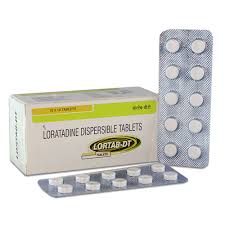
Lortab is a prescription medication that combines two powerful pain relievers: hydrocodone bitartrate and acetaminophen. It is commonly prescribed to treat moderate to severe pain in patients who require around-the-clock pain relief. This article explores the uses, benefits, side effects, and warnings associated with Lortab.
Uses
Lortab is primarily used to manage pain that requires continuous treatment. It contains hydrocodone, an opioid agonist, which works by binding to opioid receptors in the brain and blocking pain signals. Acetaminophen, the other active ingredient, helps enhance the effects of hydrocodone. Together, these ingredients provide effective pain relief for various conditions, including:
- Postoperative pain
- Severe injuries
- Chronic pain associated with arthritis
- Back pain
- Dental pain
- Other conditions where a strong painkiller is necessary
Benefits
The primary benefit of Lortab is its ability to alleviate moderate to severe pain, providing patients with much-needed relief. By targeting the opioid receptors in the brain, Lortab helps decrease the perception of pain, allowing individuals to function more comfortably. It can significantly improve the quality of life for patients suffering from chronic pain or recovering from surgeries or injuries.
Side Effects
As with any medication, Lortab may cause certain side effects. While not everyone experiences these effects, it is essential to be aware of possible adverse reactions. Common side effects may include:
- Nausea and vomiting
- Dizziness or lightheadedness
- Drowsiness
- Constipation
- Headache
- Blurred vision
Serious side effects of Lortab are rare but may include:
- Allergic reactions such as rash, itching, or swelling
- Difficulty breathing
- Severe drowsiness or confusion
- Unusual fatigue or weakness
- Yellowing of the skin or eyes (jaundice)
- Dark-colored urine
If any of these serious side effects occur, it is crucial to seek immediate medical attention.
Warnings
While Lortab is an effective pain reliever, it is essential to use it responsibly and be aware of potential risks. Here are some important warnings to consider:
- Dependence and addiction: Lortab contains hydrocodone, an opioid analgesic that can be habit-forming. Prolonged use or misuse may lead to dependence or addiction. It is crucial to follow the prescribed dosage and duration and never share the medication.
- Risk of overdose: Taking more than the recommended dose of Lortab, or combining it with alcohol or other sedatives, increases the risk of overdose, which can be life-threatening. Seek emergency medical help if overdose symptoms occur, such as slow breathing, extreme drowsiness, or loss of consciousness.
- Liver toxicity: Lortab contains acetaminophen, which can cause liver damage when taken in high doses or combined with other medications containing acetaminophen. Avoid exceeding the maximum daily dosage and be cautious when using other drugs containing acetaminophen.
- Respiratory depression: Lortab’s opioid component can depress breathing, especially when taken in high doses or combined with other central nervous system depressants. Individuals with respiratory conditions or a history of breathing problems should use Lortab with caution.
- Pregnancy and breastfeeding: Lortab should be used cautiously during pregnancy, as it can potentially harm the fetus. It may also pass into breast milk and affect nursing infants. Always consult with a healthcare professional before taking Lortab while pregnant or breastfeeding.
Frequently Asked Questions (FAQs)
Lortab is usually reserved for moderate to severe pain and is unlikely to be prescribed for mild pain. Consult with your healthcare provider for appropriate pain relief options.
Before taking Lortab alongside other medications, it is essential to consult with a healthcare professional. Some drugs may interact with Lortab, potentially increasing the risk of side effects or reducing its effectiveness.
Lortab contains hydrocodone, which can lead to dependence and addiction if misused or used for an extended period. It is crucial to take Lortab as directed by a healthcare professional and never share it with others.
Lortab is generally not recommended for long-term use due to the potential for dependence, addiction, and other adverse effects. Your healthcare provider will determine the appropriate duration and alternative pain relief options if needed.
If you miss a dose of Lortab, take it as soon as you remember. However, if it is almost time for your next dose, skip the missed dose and continue with your regular dosing schedule. Do not double up on doses to make up for a missed one.