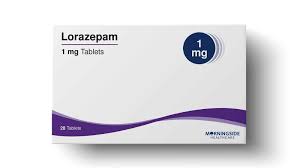
Lorazepam is a prescription medication that belongs to a class of drugs known as benzodiazepines. It is primarily used to treat anxiety disorders, but may also be prescribed for other conditions such as insomnia, seizures, and alcohol withdrawal symptoms.
Uses
Lorazepam is commonly prescribed for its anxiolytic properties, making it an effective treatment for various anxiety disorders. It works by enhancing the effects of a neurotransmitter called gamma-aminobutyric acid (GABA) in the brain, which helps to reduce anxiety and promote relaxation. This medication can provide short-term relief for anxiety symptoms and help individuals regain a sense of calmness.
Furthermore, lorazepam may be used as a sedative prior to surgeries or medical procedures. It can induce sleepiness and relaxation, thus minimizing anxiety and allowing patients to undergo procedures more comfortably.
Benefits
The key benefits of lorazepam include its ability to alleviate anxiety, promote sleep, and prevent seizures. It can help individuals with anxiety disorders regain control over their emotions by reducing excessive worry and nervousness. Additionally, the sedative properties of lorazepam make it beneficial for patients who experience insomnia, as it can help induce and maintain sleep.
Moreover, lorazepam can be life-saving for individuals prone to seizures, such as those with epilepsy. By calming excessive electrical activity in the brain, this medication effectively prevents seizures from occurring.
Side Effects
As with any medication, lorazepam may cause side effects, although not everyone will experience them. Common side effects include drowsiness, dizziness, weakness, and unsteadiness. These effects may impair your ability to perform tasks that require mental alertness, such as driving or operating machinery.
Other possible side effects may include confusion, memory problems, headaches, blurred vision, nausea, and changes in appetite. It is important to consult your doctor if these side effects persist or worsen over time.
Warnings
There are certain precautions and warnings associated with the use of lorazepam. This medication should not be used by individuals with a known allergy to benzodiazepines, as it may cause a severe allergic reaction. It is essential to inform your doctor about any allergies or sensitivities you have before starting lorazepam.
Additionally, lorazepam has the potential for abuse and dependence, especially if used for prolonged periods or in higher than prescribed doses. It is important to follow your doctor’s instructions carefully and avoid increasing the dosage without their guidance. Abruptly stopping lorazepam can lead to withdrawal symptoms, including rebound anxiety, insomnia, and tremors.
Furthermore, lorazepam can interact with other medications, including opioids, alcohol, and certain antidepressants, intensifying the effects of each substance and potentially causing severe sedation or respiratory depression. It is crucial to inform your doctor about all the medications you are taking to prevent any harmful drug interactions.
Finally, lorazepam should be used with caution in individuals with a history of substance abuse, respiratory disorders, liver or kidney problems, and glaucoma. It may not be suitable for pregnant or breastfeeding women, as it may pass into breast milk or harm the unborn fetus.
FAQs
Yes, lorazepam can be prescribed for short-term relief of anxiety symptoms. However, it is important to follow your doctor’s instructions and not exceed the recommended dosage.
Lorazepam is rapidly absorbed into the bloodstream, with effects typically felt within 30-60 minutes after ingestion. The duration of action varies but generally lasts 6-8 hours.
Lorazepam has the potential for addiction and dependence. It is crucial to follow your doctor’s guidance and not exceed the recommended dosage or duration of treatment.
Yes, lorazepam can be prescribed for individuals who have difficulty falling or staying asleep due to anxiety or stress. However, it is important to use it under medical supervision and for short-term use only.
While several natural remedies and lifestyle modifications may help manage anxiety symptoms, they may not be effective for everyone. It is always advisable to consult with a healthcare professional for personalized recommendations.






