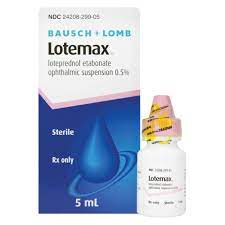
Loteprednol Etabonate Ophthalmic Eye is a medication that is commonly used to treat eye conditions such as inflammation, redness, and itching. It belongs to a class of drugs called corticosteroids, which work by reducing inflammation in the eye. This article will discuss the uses, benefits, side effects, and warnings associated with Loteprednol Etabonate Ophthalmic Eye.
Uses
Loteprednol Etabonate Ophthalmic Eye is primarily prescribed to treat eye conditions such as conjunctivitis, allergic conjunctivitis, and keratitis. It is also commonly used after eye surgery to prevent inflammation and reduce the risk of infection. Additionally, this medication can be used to relieve symptoms of dry eyes.
Benefits
Loteprednol Etabonate Ophthalmic Eye provides various benefits to individuals with eye conditions. It effectively reduces inflammation, redness, and itching, providing relief and improving overall eye comfort. By reducing inflammation, this medication can also help prevent complications and promote faster healing after eye surgery.
Side Effects
Like all medications, Loteprednol Etabonate Ophthalmic Eye may cause some side effects. Common side effects include temporary blurred vision, stinging or burning sensation in the eyes, and increased sensitivity to light. These side effects are usually mild and resolve on their own without any medical intervention.
However, some individuals may experience more severe side effects, such as eye pain, eye discharge, vision changes, or an allergic reaction to the medication. It is important to seek medical attention if any of these side effects occur.
Warnings
Before using Loteprednol Etabonate Ophthalmic Eye, it is important to inform your doctor about any existing medical conditions or allergies you may have. This medication may not be suitable for individuals with certain eye conditions, such as glaucoma or herpes infections of the eye.
It is also important to follow the prescribed dosage and duration of treatment. Prolonged use of Loteprednol Etabonate Ophthalmic Eye may increase the risk of developing serious complications, such as eye infections or cataracts. If you experience any worsening of symptoms or new symptoms while using this medication, consult your doctor immediately.
Loteprednol Etabonate Ophthalmic Eye may interact with other medications you are taking, including prescription drugs, over-the-counter medications, and herbal supplements. It is essential to inform your doctor about all medications you are currently using to avoid any potential drug interactions.
Conclusion
In conclusion, Loteprednol Etabonate Ophthalmic Eye is a valuable medication for the treatment of various eye conditions. It provides relief from inflammation, redness, and itching, improving overall eye comfort. However, it is important to use this medication as directed and be aware of the potential side effects and warnings associated with its use. Always consult with a healthcare professional for personalized advice and guidance.
FAQs
Yes, Loteprednol Etabonate Ophthalmic Eye can be used to relieve symptoms of dry eyes. It helps reduce inflammation and soothe the discomfort associated with dry eyes.
The effectiveness of Loteprednol Etabonate Ophthalmic Eye varies depending on the individual and the specific eye condition being treated. In general, improvement in symptoms can be noticed within a few days of starting the treatment.
Loteprednol Etabonate Ophthalmic Eye can be used in children, but the dosage and duration of treatment should be determined by a doctor. It is important to follow the doctor’s instructions carefully when administering this medication to children.
It is generally recommended to avoid using Loteprednol Etabonate Ophthalmic Eye during pregnancy unless the potential benefits outweigh the potential risks. It is best to consult with a healthcare professional before using this medication if you are pregnant or planning to become pregnant.
Loteprednol Etabonate Ophthalmic Eye should not be used while wearing contact lenses. It is recommended to remove contact lenses before applying the medication and wait at least 15 minutes before reinserting them.