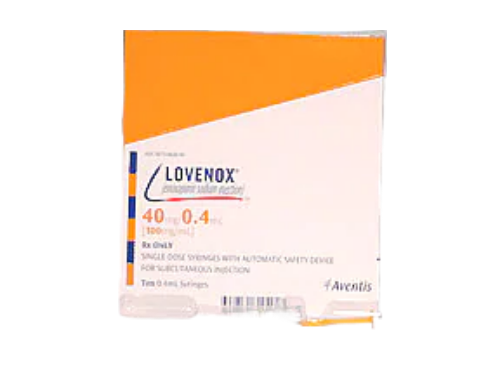
Lovenox subcutaneous is a medication that is commonly prescribed to prevent blood clots in individuals who are at risk due to certain medical conditions or surgical procedures. This article will provide a comprehensive overview of the uses, benefits, side effects, and warnings associated with Lovenox subcutaneous.
Uses
Lovenox subcutaneous is primarily used for the prevention of deep vein thrombosis (DVT) and pulmonary embolism (PE) in patients undergoing hip or knee replacement surgery. These conditions occur when blood clots form in the veins, potentially leading to life-threatening complications. By inhibiting certain clotting factors in the blood, Lovenox subcutaneous helps to reduce the risk of blood clot formation.
In addition to surgical procedures, Lovenox subcutaneous is also prescribed for patients with unstable angina, non-Q-wave myocardial infarction, and acute ST-segment elevation myocardial infarction, to reduce the risk of subsequent cardiac events.
Benefits
The primary benefit of Lovenox subcutaneous is its ability to prevent blood clots. By doing so, it significantly reduces the risk of potentially fatal conditions such as DVT and PE. This medication provides an effective and reliable method of prophylaxis, particularly in patients undergoing major orthopedic surgeries where the risk of blood clot formation is high.
Furthermore, Lovenox subcutaneous has a rapid onset of action, allowing for early protection against blood clot formation. It is easy to administer and does not require constant monitoring of blood levels, making it a convenient option for both patients and healthcare providers.
Side Effects
While Lovenox subcutaneous is generally well-tolerated, there are potential side effects that patients should be aware of. Common side effects include bruising or bleeding at the injection site, mild pain or itching, and skin discoloration. These side effects are usually temporary and resolve on their own.
Some individuals may experience more serious side effects, which should be reported to a healthcare professional immediately. These include severe bleeding, easy bruising, signs of anemia (such as fatigue or pale skin), unusual weakness, or any signs of an allergic reaction (such as rash, itching, swelling, or difficulty breathing).
Warnings
It is important to exercise caution when using Lovenox subcutaneous, as certain conditions may increase the risk of side effects or complications. Inform your healthcare provider if you have a history of bleeding disorders, liver or kidney disease, or if you are pregnant or breastfeeding.
Lovenox subcutaneous should not be used in individuals with an active major bleeding disorder or a known hypersensitivity to enoxaparin sodium or pork products. Caution should also be exercised when using this medication in patients with certain heart conditions, high blood pressure, or a history of stroke.
It is crucial to follow the prescribed dosage and administration instructions provided by your healthcare provider. Do not change the dosage or stop using Lovenox subcutaneous without consulting your healthcare provider, as this may increase the risk of blood clot formation.
In conclusion, Lovenox subcutaneous is a valuable medication for the prevention of blood clots in individuals at risk. While it provides numerous benefits, it is important to be aware of potential side effects and follow all instructions and precautions provided by your healthcare provider.
FAQs
Yes, Lovenox subcutaneous can be self-administered if you have received appropriate training from a healthcare professional.
The duration of treatment with Lovenox subcutaneous after surgery will be determined by your healthcare provider based on your individual risk factors.
Lovenox subcutaneous can be used during pregnancy, but it is important to discuss the potential risks and benefits with your healthcare provider.
It is important to inform your healthcare provider about all medications you are currently taking, as some may interact with Lovenox subcutaneous.
If you miss a dose, contact your healthcare provider for instructions. Do not double the dose to make up for a missed one.






