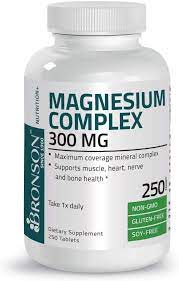
Magnesium Carbonate Citrate Oxide is a medication that combines magnesium carbonate, magnesium citrate, and magnesium oxide. It is commonly used as a dietary supplement to replenish magnesium levels in the body. This article will explore the uses, benefits, side effects, and warnings of this medication.
Uses
Magnesium Carbonate Citrate Oxide is primarily used to treat magnesium deficiency in individuals who do not consume enough magnesium through their diet. Magnesium is an essential mineral that plays a crucial role in various bodily functions, including maintaining normal muscle and nerve function, regulating blood pressure, and supporting a healthy immune system.
This medication is often prescribed to individuals with conditions such as hypomagnesemia, which is characterized by low levels of magnesium in the blood. It may also be recommended for people with chronic alcoholism, malabsorption issues, or individuals undergoing certain medical treatments that can deplete magnesium levels.
Benefits
The benefits of Magnesium Carbonate Citrate Oxide extend beyond simply addressing magnesium deficiency. Adequate magnesium levels in the body have been associated with several health benefits, including:
1. Heart Health: Magnesium plays a vital role in maintaining a healthy heart. It helps regulate heart rhythm, supports blood vessel function, and may help reduce the risk of cardiovascular diseases.
2. Bone Health: Magnesium is essential for maintaining strong, healthy bones. It aids in the absorption of calcium and vitamin D, both of which are crucial for bone health.
3. Migraine Relief: Some studies suggest that magnesium supplementation can help reduce the frequency and severity of migraines. However, further research is needed to establish its effectiveness.
4. Muscle Relaxation: Magnesium has muscle relaxant properties, making it beneficial for individuals experiencing muscle cramps, spasms, or restless leg syndrome.
5. Mental Health: Adequate magnesium levels have been associated with improved mood and reduced symptoms of anxiety and depression. However, more research is required to validate these claims.
Side Effects
While Magnesium Carbonate Citrate Oxide is generally considered safe when taken as directed, some individuals may experience side effects. Common side effects include diarrhea, stomach upset, and nausea. These symptoms usually subside as the body adjusts to the medication. If any of these side effects persist or worsen, it is recommended to consult a healthcare professional.
In rare cases, allergic reactions to magnesium supplements may occur. Symptoms of an allergic reaction include rash, itching, swelling, severe dizziness, or difficulty breathing. If any of these symptoms occur, immediate medical attention should be sought.
Warnings
Before taking Magnesium Carbonate Citrate Oxide, it is important to consider the following warnings:
1. Pre-existing Conditions: Individuals with kidney problems, heart disease, or gastrointestinal disorders should consult a healthcare professional before using this medication, as magnesium supplementation may not be suitable for them.
2. Medication Interactions: Magnesium supplements may interact with certain medications, including antibiotics, diuretics, and medications used to treat osteoporosis. It is essential to inform your healthcare provider about all medications you are taking to prevent any potential interactions.
3. Dosage: It is crucial to follow the recommended dosage provided by your healthcare professional or as indicated on the product label. Taking excessive amounts of magnesium can lead to adverse effects.
4. Pregnancy and Breastfeeding: Pregnant or breastfeeding women should consult their healthcare provider before using magnesium supplements, as the safety of these supplements during these stages is not yet established.
5. Children: Magnesium Carbonate Citrate Oxide may not be suitable for children unless specifically prescribed by a healthcare professional.
Conclusion
In conclusion, Magnesium Carbonate Citrate Oxide is a medication commonly used to address magnesium deficiency. It offers various benefits, including heart and bone health support, muscle relaxation, and potential relief from migraines. While side effects are generally mild, it is essential to follow the recommended dosage and consider any warnings before using this medication. Always consult a healthcare professional for personalized advice and guidance.
FAQs
It is essential to consult your healthcare provider before taking any new medication, including magnesium supplements, to prevent potential interactions.
The time it takes to experience the effects of magnesium supplementation may vary. It is recommended to follow the recommended dosage and consult your healthcare provider for personalized advice.
It is generally safe to take magnesium supplements on an empty stomach. However, if you experience stomach upset, you may take them with food to minimize any discomfort.
Yes, several foods are rich in magnesium, including leafy green vegetables, nuts, seeds, whole grains, and legumes.
Taking excessive amounts of magnesium supplements can lead to overdose symptoms such as diarrhea, nausea, and abdominal cramping. It is crucial to follow the recommended dosage and seek medical attention if you suspect an overdose.
–






