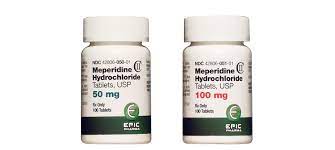
Meperidine, also known by its brand name Demerol, is a powerful opioid pain medication commonly prescribed to treat moderate to severe pain. It belongs to the class of drugs known as narcotic analgesics, which work by affecting the way the brain and nervous system respond to pain signals. Meperidine should only be used under the guidance and prescription of a healthcare professional, as it can lead to addiction or dependence if misused.
Uses of Meperidine
Meperidine is primarily used for the relief of pain, particularly in cases where other milder pain relievers have proven ineffective. It is often prescribed to manage pain after surgery or to alleviate pain associated with conditions such as kidney stones or severe injuries. Meperidine can be administered orally or through injection, depending on the severity of the pain and individual patient circumstances.
Benefits of Meperidine
The main benefit of meperidine is its ability to effectively relieve moderate to severe pain. When used as directed by a healthcare professional, it can provide significant relief to patients suffering from acute or chronic pain. Its fast-acting nature allows patients to experience relief relatively quickly, making it a suitable option for managing intense pain.
Side Effects of Meperidine
While meperidine can be highly effective in relieving pain, it is important to be aware of its potential side effects. Common side effects of meperidine use include drowsiness, dizziness, constipation, nausea, and vomiting. These side effects typically subside as the body adjusts to the medication, but if they persist or worsen, it is crucial to consult a healthcare professional. Additionally, meperidine can cause serious side effects such as shallow breathing, irregular heartbeat, or confusion. If any of these occur, immediate medical attention should be sought.
Warnings about Meperidine
Meperidine comes with various warnings that should be taken into consideration before using this medication:
- ✓ Addiction and dependence: Meperidine has the potential to cause addiction or dependence, especially if used for an extended period. It should only be used as prescribed by a healthcare professional to minimize the risk.
- ✓ Respiratory depression: Meperidine can cause respiratory depression, which is characterized by slowed or shallow breathing. Individuals with respiratory disorders or impaired lung function should use caution when taking this medication.
- ✓ Drug interactions: Meperidine can interact with other medications, causing adverse effects or reducing the effectiveness of certain drugs. It is important to inform your healthcare provider about all the medications and supplements you are currently taking.
- ✓ Allergic reactions: Some individuals may be allergic to meperidine. If you experience symptoms such as rash, itching, or swelling, seek immediate medical attention.
- ✓ Pregnancy and breastfeeding: Meperidine may harm an unborn baby or pass into breast milk, potentially causing adverse effects. It is essential to discuss the risks and benefits with your healthcare provider if you are pregnant or breastfeeding.
Frequently Asked Questions (FAQs)
Meperidine is generally not prescribed for mild pain, as it is a potent opioid intended for moderate to severe pain relief. Consult your healthcare provider for appropriate pain management options.
When administered intravenously, meperidine can take effect within 15 minutes. Oral forms may take longer to provide relief, typically within 30 to 60 minutes.
While meperidine can be effective for short-term pain relief, it is generally not recommended for chronic pain management due to the potential for addiction and the availability of alternative medications with fewer risks.
Elderly individuals are more susceptible to the side effects of meperidine, such as confusion and respiratory depression. Careful monitoring and dosage adjustments may be necessary if prescribed to older adults.
If you miss a dose of meperidine, take it as soon as you remember. However, if it is close to the time for your next scheduled dose, skip the missed dose and continue with your regular dosing schedule. Do not double the dose to make up for missed medication.
In conclusion, meperidine is a powerful pain medication with numerous uses, benefits, and potential side effects. It should be used responsibly and only under the guidance of a healthcare professional. By understanding its uses, potential risks, and following the prescribed dosage, patients can experience optimal pain relief while minimizing the chances of adverse effects.