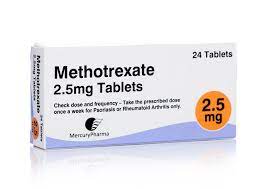
Methotrexate is a medication that is primarily used to treat various types of cancer, rheumatoid arthritis, and psoriasis. It belongs to a class of drugs called antimetabolites, which work by interfering with the growth and spread of cancer cells, as well as reducing inflammation in certain autoimmune conditions. While Methotrexate has proven to be highly beneficial in treating these medical conditions, it is important to be aware of its potential side effects and follow the prescribed dosage carefully. This article will provide a comprehensive overview of Methotrexate, including its uses, benefits, side effects, and warnings.
Uses
Methotrexate is commonly prescribed for the following medical conditions:
1) Cancer: Methotrexate is widely used in the treatment of various types of cancer, including leukemia, breast cancer, lung cancer, and certain types of lymphoma. It can be administered in different ways such as oral tablets, injections, or even intrathecal injections, depending on the type and stage of cancer.
2) Rheumatoid Arthritis (RA): Methotrexate is considered a disease-modifying antirheumatic drug (DMARD) and is often prescribed to manage the symptoms of rheumatoid arthritis. It helps reduce pain, swelling, and joint stiffness in individuals suffering from this chronic inflammatory condition. It can be taken orally or through injection under medical supervision.
3) Psoriasis: Methotrexate is also used to treat severe psoriasis, a chronic skin condition characterized by red, scaly patches on the skin. It helps to control the rapid growth of skin cells, thus alleviating the symptoms associated with the condition. It can be administered orally, by injection, or as a topical preparation.
Benefits
The benefits of Methotrexate include:
1) Cancer Treatment: Methotrexate is highly effective in slowing down or stopping the growth of cancer cells, thereby preventing the spread of the disease throughout the body. It is often used in combination with other cancer medications or therapies to achieve optimal results.
2) Rheumatoid Arthritis Management: Methotrexate has been proven to reduce joint pain, inflammation, and swelling associated with rheumatoid arthritis. It not only improves the quality of life for individuals with this condition but also helps to prevent further damage to the joints.
3) Psoriasis Control: Methotrexate is an effective treatment for severe psoriasis that hasn’t responded well to other treatments. It can help in reducing the severity of the symptoms, including itching, scaling, and redness, leading to an improved overall skin appearance.
Side Effects
Like any medication, Methotrexate may cause certain side effects. It is important to note that individuals may experience varying degrees of side effects, and some may not experience any at all. Common side effects of Methotrexate include:
– Nausea and vomiting
– Fatigue and weakness
– Mouth sores
– Loss of appetite
– Hair loss
– Diarrhea or stomach upset
While these side effects are generally mild and temporary, it is crucial to inform your healthcare provider if they persist or worsen. In rare cases, Methotrexate can cause more serious side effects, such as liver or lung problems, bone marrow suppression, or an increased risk of infections. Close monitoring by a healthcare professional is essential while undergoing Methotrexate treatment.
Warnings
Before starting Methotrexate treatment, it is important to consider the following warnings:
1) Pregnancy: Methotrexate is known to cause harm to unborn babies. It should not be used during pregnancy or if there is a chance of becoming pregnant. Effective birth control methods should be used while taking this medication, and women should avoid getting pregnant for at least six months after stopping Methotrexate.
2) Liver and Kidney Function: Methotrexate can affect liver and kidney function. Regular blood tests may be necessary to monitor liver enzymes and kidney function. Individuals with pre-existing liver or kidney disease should use this medication with caution and as per their healthcare provider’s guidance.
3) Infections: Methotrexate may lower the body’s ability to fight infections. It is crucial to avoid close contact with individuals who have contagious illnesses, such as chickenpox or the flu. If any signs of infection, such as fever or persistent sore throat, occur while taking Methotrexate, immediate medical attention should be sought.
4) Alcohol Consumption: Alcohol can enhance the liver toxicity associated with Methotrexate. It is advisable to limit or avoid alcohol consumption while undergoing Methotrexate treatment.
5) Sun exposure: Methotrexate can make the skin more sensitive to sunlight. It is recommended to use sun protection measures, such as wearing protective clothing and using sunscreen while exposed to the sun.
FAQs
No, Methotrexate should not be taken during pregnancy as it can cause harm to the unborn baby. Effective birth control methods should be used while taking this medication.
If you miss a dose of Methotrexate, contact your healthcare provider for instructions. It is essential to follow the prescribed dosage schedule to maintain its effectiveness.
Methotrexate may interact with other medications, including over-the-counter drugs and herbal supplements. It is crucial to inform your healthcare provider about all the medications you are currently taking to avoid any potential drug interactions.
The response to Methotrexate treatment may vary among individuals. Some may experience improvement in their symptoms within a few weeks, while others may require several months to notice significant changes. Regular follow-ups with your healthcare provider are essential to monitor your progress.
Hair loss is a possible side effect of Methotrexate. However, it is usually temporary and reversible once the treatment is stopped. If hair loss becomes a concern, it is advisable to discuss it with your healthcare provider for further guidance.
In conclusion, Methotrexate plays a crucial role in treating various types of cancer, rheumatoid arthritis, and severe psoriasis. While it offers numerous benefits, it is important to be aware of potential side effects and follow the recommended dosage and precautions. Discussing any concerns or queries with your healthcare provider will ensure safe and effective usage of Methotrexate for your specific medical condition.